

Keeping your HVAC system in excellent condition is one of the smartest investments a facility manager or building owner can make. With the variable climate of Virginia, your heating and cooling equipment works hard throughout the year. That is why a clear and practical maintenance plan is essential. At AAI, we help clients across Virginia protect their comfort and extend the lifespan of their HVAC systems through preventive care and reliable service.
Understanding what your system needs in each season can save you money, improve air quality and prevent stressful breakdowns. This guide walks you through a detailed HVAC maintenance checklist so your building can stay comfortable at all times.
Why HVAC Maintenance Matters in Virginia
Regular HVAC maintenance is more than a convenience. It directly affects energy savings, comfort and system performance. Virginia experiences hot summers and cold winters. That leads to significant shifts in heating and cooling demands. Without proper care, systems tend to run harder than necessary, which increases energy bills and reduces efficiency.
When your HVAC system receives ongoing attention, it is less likely to surprise you with unexpected repairs. Many of the costliest issues start as minor problems that go unnoticed. By taking a proactive approach, you keep your indoor environment safe, quiet and stable throughout the year.
Climate factors that affect HVAC systems
Virginia has humid summers and chilly winters. This combination influences how often your HVAC system cycles and how much strain it endures.
Key climate factors include:
• High summer humidity that makes cooling systems work harder
• Pollen and allergens that clog filters
• Sudden cold fronts that stress heating equipment
• Coastal regions experiencing salt exposure that impacts metals
Understanding these elements helps you adapt your maintenance schedule to local needs.
Seasonal HVAC Maintenance Overview
Seasonal planning is the foundation of effective HVAC care. Each part of the year brings different demands on your system. A summer checklist looks very different from a winter one. Commercial buildings benefit most when maintenance tasks are aligned with changing temperatures and humidity levels.
Routine checks keep systems clean, well lubricated and calibrated. These simple steps ensure maximum performance and help you avoid peak season breakdowns when technicians are in higher demand.
Key differences between warm and cold weather needs
Warm weather maintenance focuses on cooling performance, airflow and humidity control. Cold weather maintenance focuses on heating reliability, gas or oil safety and proper ventilation.
Understanding these seasonal differences ensures your system is prepared for every climate shift.
Spring HVAC Maintenance Checklist
Spring is the perfect time to prepare your air conditioning system for the warmer months. It is also an ideal opportunity to refresh air quality after winter. Spring maintenance prevents the heavy strain of summer heat from overwhelming your system.
Cleaning and tuning your AC unit early in the season ensures smooth performance, better indoor air circulation and improved energy efficiency.
AC tune up essentials for better performance
A proper spring AC tune up should include:
• Cleaning condenser coils
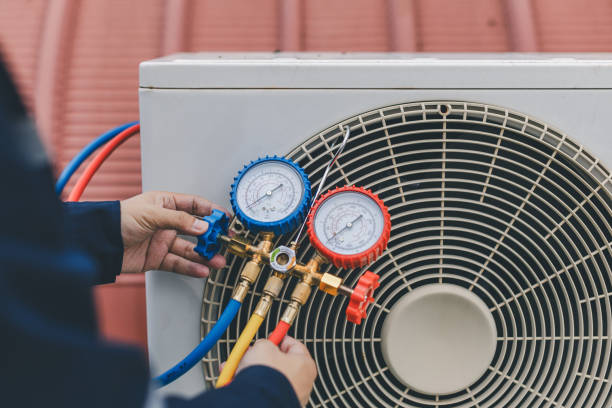
• Inspecting refrigerant levels
• Checking thermostats and calibrations
• Testing voltage and electrical components
• Clearing debris around the outdoor unit
These steps help the system cool more effectively while reducing energy consumption.
Summer HVAC Maintenance Checklist
Summer in Virginia can be hot and humid. Your cooling system runs for longer hours, which makes proper maintenance vital. Overworked units can overheat, lose efficiency or shut down unexpectedly during high temperature days.
Simple preventive care keeps your building cool without causing unnecessary stress on your equipment.
Ensuring proper airflow and cooling efficiency
Good airflow is essential for consistent cooling. Summer tasks should include:
• Checking air vents for blockages
• Making sure furniture does not cover airflow pathways
• Replacing filters if airflow feels restricted
• Monitoring humidity levels using a thermostat or humidistat
These steps help maintain comfort even on the hottest days.
Fall HVAC Maintenance Checklist
Fall is a transitional season that allows you to prepare your heating system before winter arrives. When temperatures begin to drop, your rooftop units or heat pumps shifts into higher use. Taking preventive steps now reduces the chance of problems later.
Fall is also the time to address any lingering cooling issues from summer to ensure the entire system stays balanced.
Heating preparation and safety checks
Fall heating checks should include:
• Inspecting heat exchangers
• Testing ignition components
• Checking carbon monoxide sensors
• Cleaning blower motors
• Inspecting ductwork for obstructions
A clean, safe heating system lowers costs and reduces the risk of mid winter breakdowns.
Winter HVAC Maintenance Checklist
Winter HVAC maintenance focuses on reliable heating, safety and air quality. Cold conditions require heating systems to run more frequently. Regular checks ensure your building stays warm without experiencing unnecessary system strain.
Winter is also when indoor air quality tends to decline due to closed windows and dry air. Monitoring humidity and ventilation becomes essential.
Winter tasks include filter changes, thermostat checks, heat pump defrost monitoring and sealing drafts. A well maintained system will heat evenly and efficiently throughout the coldest months of the year.
The Importance of Regular Filter Changes
Clean air filters make a significant difference in HVAC efficiency. Dirty filters restrict airflow and force your system to work harder, increasing your energy bill. Replacing filters on schedule also reduces allergens and improves air quality.
Facility teams in Virginia should follow a filter change routine that accounts for humidity, pollen and seasonal changes. Buildings with high occupancy, dusty processes or sensitive occupants may need more frequent replacements.
Filter changes help prolong the life of your HVAC system and prevent unnecessary mechanical issues. It is one of the simplest and most effective maintenance tasks you can do.
Conclusion
Maintaining your HVAC system is essential for keeping your Virginia building comfortable throughout the year. A clear and consistent maintenance routine protects your equipment, improves indoor air quality and helps prevent costly repairs. Seasonal tasks ensure your system stays ready for changes in weather while regular filter changes support efficient airflow and clean air.
Arminco Air is committed to helping Virginia facility managers and building owners optimize their HVAC performance through dependable service and expert care. For questions or to schedule maintenance, contact our team today to keep your heating and cooling system running at peak performance.For professional HVAC support, contact us and speak with our service team for guidance and scheduling.