

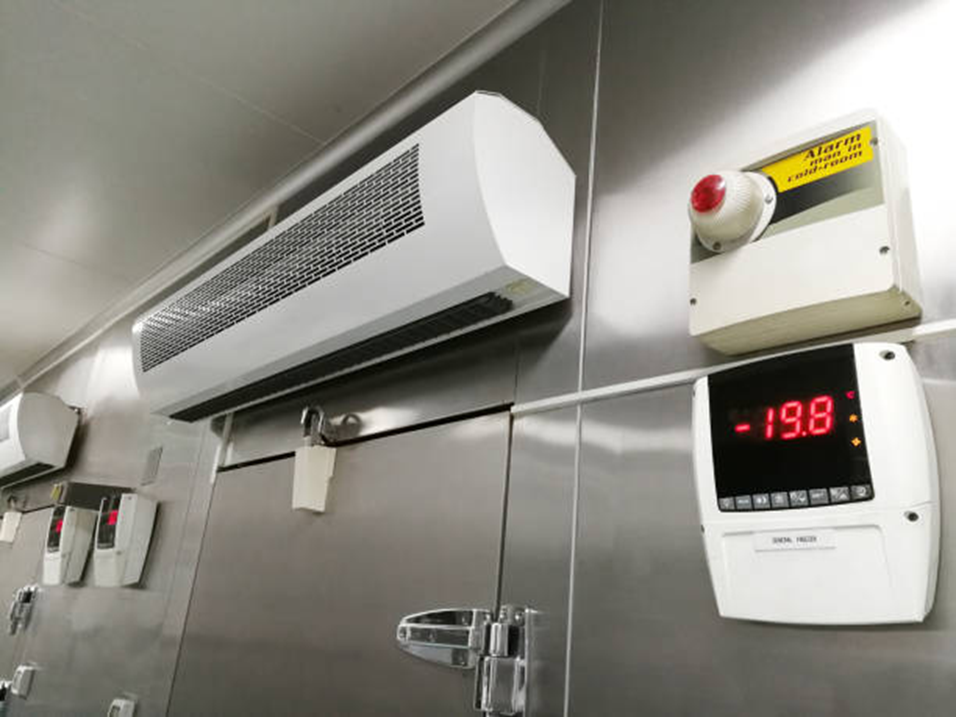
Cold storage environments require a precise and dependable HVAC system to protect temperature sensitive products and keep facility operations running smoothly. These environments demand more accuracy and stricter controls than typical commercial settings. Whether a facility stores food, pharmaceuticals or specialty goods, an HVAC malfunction can lead to product damage, financial loss and safety risks. AAI works with many Virginia operations to help maintain stable and efficient temperature control in low temperature environments.
Many of the challenges in cold storage facilities stem from extreme conditions that place continuous strain on HVAC and refrigeration components. Understanding the most common issues and learning how to troubleshoot them helps facility operators maintain stable performance and prevent major disruptions.
Understanding the Role of HVAC in Cold Storage Facilities
HVAC systems in cold storage environments do much more than cool the air. They control humidity, reduce moisture, balance airflow and regulate temperatures with precision. Since storage items must remain within specific ranges, even a small shift can impact quality or safety.
Cold storage HVAC systems work constantly and often operate at lower temperatures than standard commercial HVAC systems. This requires stronger components, specialized maintenance routines and more frequent inspections. Without meaningful oversight, systems can develop issues that are difficult to detect until they become significant.
Why precise temperature control matters in cold environments
Cold storage facilities depend on accurate temperature settings for product integrity, regulatory compliance and operational efficiency. Small deviations can lead to spoilage or reduced product quality.
Accuracy is especially important because:
• Different goods require specific temperature ranges
• Energy usage dramatically increases when efficiency declines
• Frost or condensation can form from temperature swings
• Sensitive inventory may react quickly to minor changes
This highlights the importance of proactive maintenance and reliable monitoring.
The Most Frequent HVAC Issues in Cold Storage
Cold storage environments face unique challenges that most commercial facilities do not encounter. Low temperatures, high moisture levels and long operating hours place additional strain on every part of the HVAC system. Many common issues stem from equipment fatigue or insufficient maintenance.
These issues can impact air circulation, product safety, energy costs and system lifespan. By identifying problems early, facility operators avoid disruptions and save money on large scale repairs.
Factors that make cold storage HVAC uniquely complex
Several issues make cold storage systems more complicated than standard HVAC systems.
These include:
• Continuous operation with little rest time
• Heavy moisture that increases risk of condensation
• Frequent door openings that disturb temperature balance
• Refrigeration components that require specialized expertise
• Higher energy demands due to low temperature requirements
These factors contribute to increased wear and tear on equipment.
Condensation Control Problems and Effective Solutions
Condensation is one of the most persistent challenges in cold storage environments. Warm outside air mixes with the cooler internal air whenever doors open or when insulation weakens. Moisture then gathers on evaporator coils, ceilings or walls. Left untreated, this can cause mold, corrosion or ice formation.
To manage condensation effectively, operators should start with proper sealing and insulation. High quality gaskets around doors prevent warm air infiltration. Dehumidification strategies also help maintain balanced humidity levels.
Preventive solutions include:
• Checking and replacing worn door seals
• Improving insulation around walls and entry points
• Using air curtains or rapid close doors
• Inspecting evaporator drainage systems
Controlling condensation improves safety and helps maintain cleaner storage conditions.
Preventing Ice Buildup on HVAC Components
Ice buildup on coils, fans or refrigerant lines is a common operational challenge. Low temperatures create ideal conditions for ice formation, especially when humidity levels fluctuate or airflow is restricted. Ice can reduce cooling efficiency, block airflow and strain motors.
The first step in solving ice buildup is to identify the cause. Most ice issues relate to airflow obstruction, dirty filters or low refrigerant levels. Regular inspections help detect early ice formation before it begins affecting equipment performance.
Solutions often include:
• Cleaning evaporator coils
• Ensuring adequate airflow through vents and ducts
• Checking refrigerant charge and cooling cycles
• Implementing scheduled defrost cycles
Preventing ice accumulation keeps your system running smoothly while extending equipment life.
Refrigeration System Failures and How to Troubleshoot Them
Refrigeration failures can disrupt operations quickly and require immediate attention. These systems work harder than traditional HVAC components because they must maintain very low temperatures in all conditions. When any part of the refrigeration cycle malfunctions, temperatures can rise rapidly.
Common causes of refrigeration failure include failed compressors, clogged lines, damaged sensors or electrical issues. Routine inspections and monitoring help identify these problems early.
Basic troubleshooting steps include:
• Checking compressor performance
• Monitoring suction and discharge pressures
• Inspecting fans and motors for unusual sounds
• Testing thermostat sensors for calibration issues
• Ensuring proper refrigerant levels
For more complex issues, facility operators may need professional assessment to avoid further damage.
Airflow Imbalance in Cold Storage Facilities
Balanced airflow is essential for maintaining consistent temperatures throughout a cold storage space. If certain areas receive insufficient circulation, they may become warmer or colder than intended. This can compromise product safety and place unnecessary strain on HVAC components.
Airflow imbalance often stems from blocked vents, poor layout, damaged fans or inconsistent pressure zones. Operators should regularly inspect ducts, vents and circulation pathways to avoid these issues.
Improving airflow ensures uniform temperature control, energy efficiency and better system performance. Small adjustments can significantly improve operational reliability.
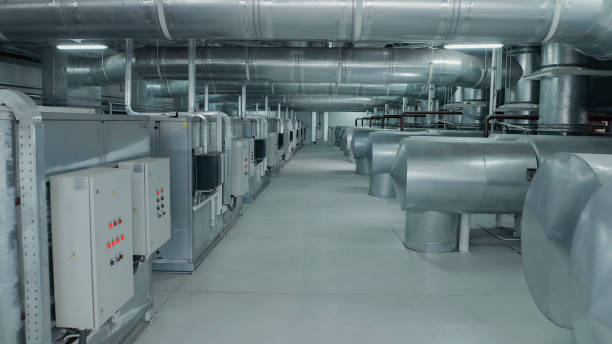
Temperature Monitoring Challenges
Accurate temperature monitoring is critical in cold storage facilities. Faulty sensors, outdated monitoring equipment or calibration errors can lead to inaccurate readings that compromise product quality.
Modern cold storage facilities rely on continuous monitoring to maintain compliance and avoid waste. When readings are inconsistent, operators must evaluate sensors, wiring and positioning.
Regular calibration is essential to maintain accuracy. Good monitoring helps detect problems early and reduces the risk of unnoticed temperature changes.
Checklist for Preventive Maintenance in Cold Storage HVAC
Preventive maintenance is the most effective way to reduce HVAC issues in cold storage environments. A well organized maintenance schedule allows operators to detect early signs of trouble and keep systems running efficiently.
A standard preventive maintenance checklist may include:
• Cleaning evaporator and condenser coils
• Inspecting fans and motors
• Verifying defrost cycles
• Checking refrigerant levels
• Ensuring door seals remain tight
• Monitoring airflow and duct integrity
• Calibrating temperature sensors
Consistent maintenance extends equipment lifespan and reduces costly repairs.
Energy Efficiency Considerations for Low Temperature Environments
Cold storage facilities consume more energy than typical commercial buildings due to strict temperature demands. Any decline in efficiency can lead to increased energy costs. Optimizing HVAC systems helps reduce environmental impact and improves long term sustainability.
Energy saving strategies may include programmable controls, modern insulation materials, high efficiency fans and improved sealing. Even small upgrades can yield significant energy savings over time.
Operators who focus on energy efficiency experience lower operational expenses and improved climate stability.
When to Call a Professional HVAC Specialist
While facility operators can handle basic inspections, cold storage HVAC systems require specialized expertise. Many components have unique demands that must be serviced by experienced technicians. Knowing when to call for professional support prevents further damage and ensures safety.
Signs that you need expert assistance include:
• Rapid temperature fluctuations
• Persistent ice buildup
• Unusual noises from equipment
• Repeated sensor errors
• Rising energy bills despite stable settings
The team at Arminco Air provides tailored support for cold storage needs and ensures systems stay reliable throughout the year.
Conclusion
Cold storage HVAC systems require consistent care, detailed monitoring and specialized troubleshooting methods to maintain peak performance. From condensation control to ice buildup prevention, every part of the system must operate with precision. By following proven strategies and establishing a strong maintenance routine, facility operators can reduce downtime, protect valuable inventory and improve long term system efficiency.
Arminco Air remains dedicated to helping facilities across Virginia address complex HVAC challenges with dependable solutions and knowledgeable support. For expert guidance or service appointments, contact us today and keep your cold storage systems operating at their best.