

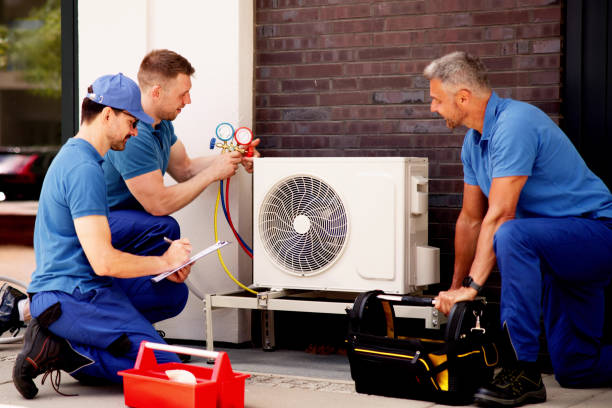
HVAC installation is a critical process that directly affects comfort, energy efficiency, and long term system reliability. Even high quality equipment can underperform if it is installed incorrectly. Many issues building owners and contractors face later can be traced back to avoidable installation errors.
Understanding common HVAC installation mistakes helps prevent unnecessary repairs, higher energy costs, and compliance issues. With proper planning, attention to detail, and professional support, these risks can be significantly reduced.
This guide outlines the most common installation mistakes and explains how to avoid them to protect a commercial HVAC investment.
Why Avoiding HVAC Installation Mistakes Matters?
HVAC systems are designed to operate within specific parameters. When installation does not meet those requirements, system performance suffers.
Installation errors can reduce efficiency, strain components, and shorten equipment lifespan. They can also lead to inconsistent temperatures, poor airflow, and safety concerns.
Avoiding HVAC installation mistakes is essential for maintaining comfort, meeting regulatory standards, and ensuring reliable operation.
Understanding HVAC Installation Before You Begin
Successful installation begins with preparation. Rushing into installation without proper evaluation increases the likelihood of errors.
Planning ensures the HVAC system is correctly sized, properly designed, and suited to the building’s layout and usage. Each decision during planning affects airflow, efficiency, and long term performance.
Clear documentation and coordination between all involved parties also help prevent costly oversights.
Mistake One: Skipping a Detailed HVAC Load Calculation
One of the most common mistakes is improper system sizing. Without a detailed load calculation, systems are often oversized or undersized.
Oversized systems cycle on and off too frequently, reducing efficiency and increasing wear. Undersized systems struggle to maintain comfort and operate continuously under strain.
Accurate load calculations consider building size, insulation, occupancy, and usage patterns. This step ensures the system matches actual demand.

Mistake Two: Poor Duct Design and Layout
Duct design plays a major role in airflow and comfort. Poorly designed ductwork restricts airflow and causes uneven temperature distribution.
Common issues include undersized ducts, excessive bends, and improper sealing. These problems increase energy consumption and reduce system effectiveness.
Proper duct design ensures balanced airflow and supports efficient operation throughout the building.
Mistake Three: Ignoring HVAC Code Compliance
HVAC systems must meet local and national codes to ensure safety and performance. Ignoring code requirements can result in failed inspections and legal complications.
Code compliance covers electrical connections, ventilation, refrigerant handling, and equipment clearances. Non compliant installations may also void manufacturer warranties.
Adhering to HVAC codes protects both occupants and property owners while ensuring reliable operation.
Mistake Four: Inadequate Air Balancing
Air balancing ensures that each space receives the correct amount of conditioned air. Without it, some areas may feel uncomfortable while others receive excessive airflow.
Uneven air distribution increases system workload and reduces comfort. It can also cause occupants to adjust thermostats frequently, increasing energy usage.
Proper air balancing supports consistent temperatures and efficient system performance.
Mistake Five: Improper Equipment Placement
Equipment placement affects accessibility, ventilation, and long term maintenance. Poor placement can restrict airflow or make servicing difficult.
Clearances must be maintained around HVAC units to ensure safe operation and proper heat dissipation. Placement decisions should also account for noise control and service access.
Thoughtful placement supports reliability and simplifies future maintenance.
Mistake Six: Overlooking Quality Installation Practices
Even when system design is correct, poor workmanship can undermine performance. Issues such as loose electrical connections or incorrect refrigerant charging can cause failures.
Sealing, insulation, and testing are essential steps that should never be skipped. These practices help prevent air leaks and ensure the system operates as designed.
Attention to detail during installation reduces the likelihood of future problems.
Mistake Seven: Not Hiring a Professional HVAC Installer
HVAC installation requires specialized training and experience. Attempting installation without proper qualifications increases risk.
A professional HVAC installer understands system requirements, safety standards, and best practices. Professional installation also supports warranty protection and regulatory compliance.
Experienced installers bring accountability and technical expertise that protect long term system performance.
Using an HVAC Installation Checklist for Better Results
An installation checklist helps ensure no steps are overlooked. It supports consistency and accountability throughout the process.
Pre installation checks verify system sizing, duct design, and site readiness. Post installation inspections confirm proper operation, airflow, and safety.
Effective HVAC planning combined with structured checklists improves outcomes and reduces risk.
Conclusion
Avoiding HVAC installation mistakes requires careful planning, skilled execution, and attention to detail. Each step of the process affects efficiency, safety, and long term reliability.
By focusing on proper system design, code compliance, and professional installation, building owners and contractors can protect their investment and ensure dependable comfort.
If you are planning an HVAC installation or need expert guidance, you can contact AAI to discuss your project with a qualified HVAC team committed to quality and performance.