

A commercial HVAC system that runs without producing enough cool air can create uncomfortable working conditions and disrupt normal business operations. Employees may struggle to stay productive, customers may leave sooner, and temperature-sensitive areas may be affected if the problem continues.
Before assuming the entire system needs to be replaced, it is worth identifying what is causing the cooling problem. Issues can range from restricted airflow and thermostat settings to refrigerant problems or failing components.
Businesses looking for dependable commercial HVAC service can rely on professional technicians to inspect the system, identify the source of the problem, and recommend the appropriate repair. Here are some of the most common reasons a commercial HVAC system may not be cooling properly.
Common Reasons a Commercial HVAC System Isn’t Cooling
Several problems can cause a commercial HVAC system to produce insufficient cooling. Some can be checked by building managers, while others require diagnostic equipment and professional repair.
Incorrect Thermostat Settings
A thermostat that is incorrectly programmed, poorly positioned, or malfunctioning can prevent the HVAC system from maintaining the desired temperature.
Check that the thermostat is set to cooling mode and that the temperature setting is appropriate for the building. If the thermostat display appears inaccurate or the system does not respond to adjustments, professional testing may be necessary.
Restricted Airflow
Poor airflow is one of the most common reasons a commercial building may not cool evenly. Blocked vents, obstructed returns, damaged ductwork, or other airflow restrictions can prevent conditioned air from reaching different areas of the property.
Weak airflow from multiple vents can indicate a larger system or ductwork issue that requires inspection.
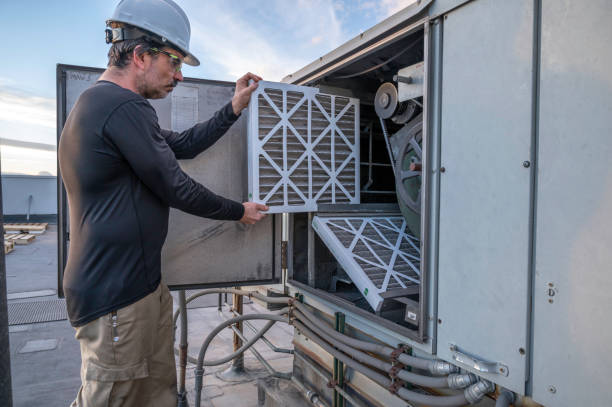
Dirty or Blocked Filters
A heavily loaded air filter can restrict the amount of air moving through the HVAC system. This may result in weak airflow and inconsistent temperatures throughout the building.
Building managers should check filters regularly and replace them according to the equipment manufacturer’s recommendations.
Refrigerant Problems
Commercial cooling equipment relies on refrigerant to transfer heat from indoor spaces. A refrigerant leak or an incorrect refrigerant charge can cause the system to run without providing adequate cooling.
Because refrigerant issues require specialized equipment and proper handling, they should be diagnosed and repaired by a qualified HVAC technician.
Dirty Condenser or Evaporator Coils
The coils responsible for transferring heat can become coated with dirt and debris over time. Restricted heat transfer makes it harder for the system to remove heat from the building.
A dirty condenser can also reduce the system’s ability to release heat outdoors, particularly during periods of high outdoor temperatures.
Frozen Evaporator Coil
A frozen evaporator coil can restrict airflow and reduce cooling performance. Ice buildup may be associated with airflow restrictions, refrigerant problems, or other equipment issues.
If ice is visible around the indoor unit or refrigerant lines, the system should be professionally inspected rather than repeatedly restarted.
Electrical or Mechanical Component Failure
Commercial HVAC equipment contains motors, compressors, capacitors, control boards, contactors, and other components that can eventually wear out or fail.
A system that suddenly stops cooling, repeatedly shuts down, or produces unusual sounds may have an electrical or mechanical fault that requires professional diagnosis.
Signs Your Commercial HVAC Needs Professional Repair
Some basic checks can help identify obvious problems, but certain symptoms indicate that professional service is necessary.
If adjusting the thermostat, checking airflow, or replacing an accessible filter does not resolve the problem, consider scheduling HVAC repair Sterling services.
The System Runs but Produces Warm Air
When the HVAC system operates continuously but the air coming from the vents remains warm, the problem may involve refrigerant, compressor operation, airflow, or another internal component.
Some Areas Stay Hotter Than Others
Uneven temperatures can indicate ductwork problems, blocked airflow, zoning issues, equipment capacity problems, or thermostat-related concerns.
The System Keeps Turning On and Off
Repeated starts and stops can indicate short cycling. This may be caused by control problems, airflow restrictions, incorrect sizing, or component issues.
Continued short cycling should not be ignored because it can interfere with normal temperature control and place additional stress on system components.
Unusual Sounds or Odors Appear
Grinding, rattling, squealing, buzzing, or other unusual sounds may indicate a mechanical or electrical problem. Burning smells should receive immediate attention because they can indicate an electrical issue.
Cooling Performance Suddenly Drops
A sudden change in cooling performance can point to equipment failure, airflow obstruction, refrigerant problems, or electrical faults. Prompt diagnosis can help prevent the issue from becoming more disruptive.
What to Check Before Calling an HVAC Technician
A few basic checks may help identify simple problems before professional service is required.
Check the Thermostat
Confirm that the thermostat is set to cooling mode and that the temperature setting is below the current indoor temperature.
Inspect Accessible Air Filters
If filters are visibly dirty or clogged, replace them with the correct type and size recommended for the equipment.
Check Supply and Return Vents
Make sure furniture, storage materials, or other objects are not blocking vents or return grilles.
Look at the Outdoor Unit
Keep the area around the outdoor condenser clear of leaves, vegetation, boxes, and other debris. Do not attempt to dismantle or repair the equipment yourself.
Check for Visible Ice or Water
Ice around the indoor unit or refrigerant lines, unusual water accumulation, or drainage problems can indicate an equipment issue requiring professional attention.
If these basic checks do not restore normal cooling, continued operation may worsen the problem. A qualified technician can perform a complete system diagnosis.
How Poor Cooling Can Affect a Commercial Property
A cooling problem is not simply a comfort issue. Depending on the type of business and building, inadequate temperature control can affect daily operations.
Uncomfortable Work Areas
Excessive indoor temperatures can make offices, retail spaces, restaurants, and other commercial environments uncomfortable for employees and visitors.
Temperature-Sensitive Areas
Some businesses rely on controlled temperatures to protect equipment, products, materials, or other sensitive items. A prolonged cooling failure can create additional risks.
Uneven Building Temperatures
When certain rooms remain warm while others stay comfortable, employees and customers may experience inconsistent conditions throughout the property.
Operational Disruptions
A serious HVAC failure may require areas of a building to be temporarily closed or limit normal business activities until the cooling system is restored.
When a Commercial HVAC Cooling Problem May Require Emergency Service
Not every cooling issue requires an emergency response. However, some situations should be addressed quickly, particularly when HVAC failure could affect business operations or sensitive equipment.
Contact an HVAC professional promptly if:
The system stops cooling completely during extreme weather.
Electrical burning odors are present.
The system is making loud mechanical noises.
Water is leaking around indoor equipment.
Critical areas of the building are losing temperature control.
A temperature-sensitive area cannot maintain required conditions.
A technician can determine whether the system needs an immediate repair or whether the issue can be scheduled for standard service.
How to Prevent Recurring Cooling Problems
Once a commercial HVAC system has been repaired, building managers should continue monitoring its performance. Recurring cooling problems can sometimes indicate an underlying issue rather than an isolated component failure.
For ongoing system care, businesses can use professional commercial HVAC maintenance services to keep equipment operating reliably.
Maintenance can include:
Inspecting system components.
Checking airflow and system performance.
Cleaning relevant HVAC components.
Testing electrical connections.
Inspecting refrigerant-related components.
Checking drainage systems.
Evaluating thermostat operation.
The purpose of maintenance here is not simply to reduce repair costs. Regular system checks also help identify performance changes before a cooling problem becomes a major operational disruption.
Repair or Replace: What Should a Business Do?
A commercial HVAC cooling problem does not automatically mean the equipment needs to be replaced. The appropriate solution depends on the system’s condition, age, repair history, performance, and the nature of the fault.
A technician can evaluate whether repairing the existing equipment is practical or whether replacement should be considered.
If you’re evaluating the financial side of a commercial HVAC project, our guide to commercial HVAC costs can help explain the factors that influence installation, repair, and service expenses.
This keeps the cooling-problem article focused on diagnosis and troubleshooting, while the separate cost guide addresses pricing and budgeting.
Why Professional Diagnosis Matters
Commercial HVAC equipment is more complex than a typical residential system. A cooling problem may have several possible causes, and replacing the wrong component can waste time and money without solving the underlying issue.
Professional technicians can test system components, identify the actual fault, and determine whether the problem involves airflow, refrigerant, controls, electrical components, or mechanical equipment.
For businesses, accurate diagnosis also helps reduce unnecessary disruption and gets the cooling system back to normal operation more efficiently.
Conclusion
A commercial HVAC system may stop cooling properly because of restricted airflow, thermostat problems, dirty coils, refrigerant issues, frozen components, or electrical and mechanical failures. Some basic checks can identify simple problems, but persistent or serious cooling issues require professional diagnosis.
Pay attention to warning signs such as warm air, weak airflow, uneven temperatures, short cycling, unusual sounds, or a sudden decline in cooling performance. Acting promptly can help prevent a minor HVAC fault from becoming a larger operational problem.
If your commercial HVAC system is not keeping your building cool, contact our team to arrange a professional inspection and determine what is affecting your system’s performance.
Frequently Asked Questions
1. Why is my commercial HVAC running but not cooling?
Common causes include incorrect thermostat settings, restricted airflow, dirty filters or coils, refrigerant problems, frozen components, and electrical or mechanical failures. A professional inspection can determine the specific cause.
2. Why is my commercial building cooling unevenly?
Uneven cooling may result from blocked vents, ductwork problems, zoning issues, airflow restrictions, thermostat problems, or equipment performance issues.
3. Can a dirty filter cause a commercial HVAC system to stop cooling?
Yes. A heavily clogged filter can restrict airflow and reduce cooling performance. It can also place additional strain on the HVAC equipment.
4. What does it mean if my commercial HVAC system is blowing warm air?
Warm air may indicate a thermostat problem, refrigerant issue, compressor fault, airflow restriction, or another equipment problem. If basic thermostat checks do not resolve it, professional diagnosis is recommended.
5. When should I call a commercial HVAC technician?
Contact a technician when cooling remains inadequate after basic checks, or when you notice warm air, unusual sounds, repeated cycling, visible ice, water leaks, electrical odors, or sudden equipment failure.