

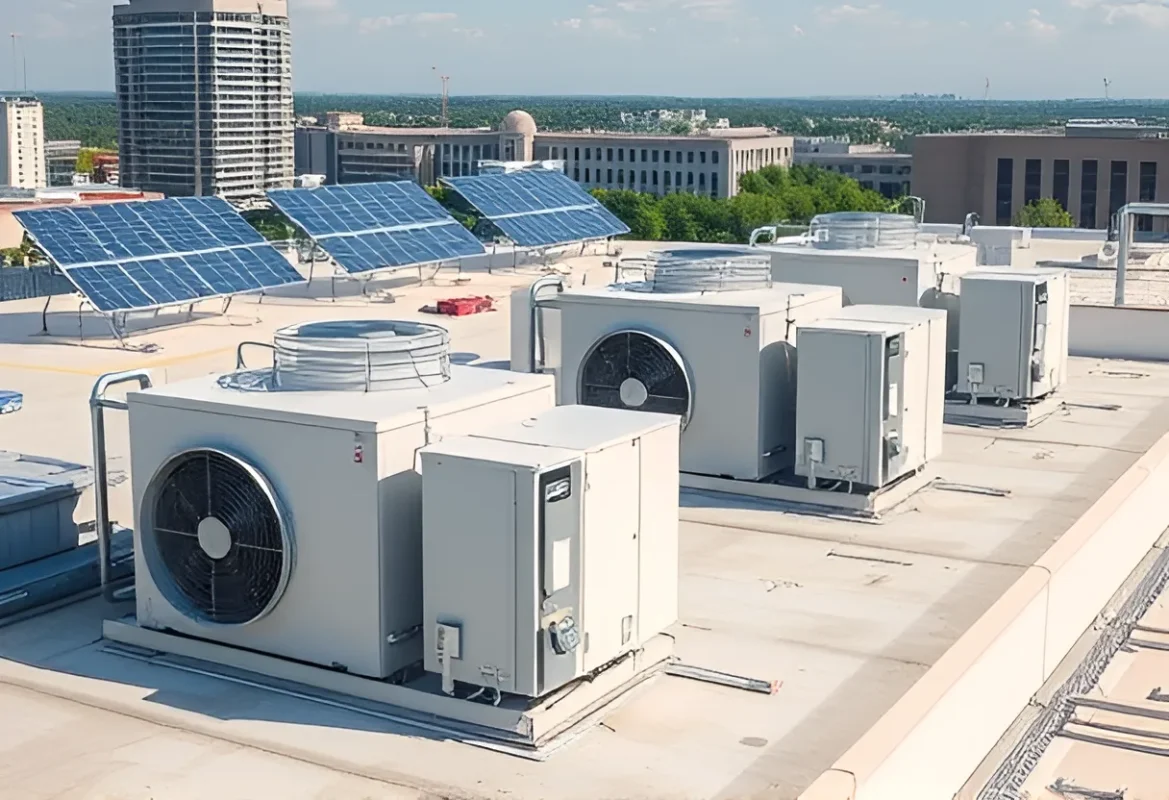
Your HVAC system is one of the most valuable assets in your commercial building. It keeps employees comfortable, protects equipment, and creates a welcoming environment for customers. However, many businesses only think about their HVAC system when it stops working. While reactive repairs may solve immediate problems, they often result in higher long-term costs and unexpected downtime.
Investing in professional hvac maintenance sterling services helps businesses identify potential issues before they become expensive repairs. A well-planned maintenance program improves efficiency, extends equipment lifespan, and reduces operational disruptions. In this guide, we’ll compare preventive HVAC maintenance services with reactive repairs to help you determine the best approach for your business.
What Is Preventive HVAC Maintenance?
Preventive HVAC maintenance is a scheduled service program designed to keep heating and cooling systems operating efficiently throughout the year. Instead of waiting for equipment to fail, technicians inspect, clean, adjust, and test critical components during routine visits.
This proactive approach reduces the likelihood of unexpected breakdowns while helping HVAC systems perform at their best during peak heating and cooling seasons.
Routine System Inspections
Technicians examine electrical components, motors, thermostats, refrigerant levels, ductwork, and airflow to identify signs of wear before major failures occur.
Cleaning Critical Components
Dirty condenser coils, evaporator coils, drain lines, and air filters reduce system efficiency. Regular cleaning improves airflow and cooling performance.
Performance Testing
Maintenance visits include testing system performance, thermostat calibration, refrigerant pressure, and electrical connections to ensure everything operates safely.
Minor Repairs Before Major Failures
Small issues such as loose wiring, worn belts, or damaged capacitors can be repaired during maintenance before they lead to costly breakdowns.
What Are Reactive HVAC Repairs?
Reactive repairs occur only after an HVAC system develops a problem or stops working completely. While repairs are sometimes unavoidable, relying solely on emergency service often results in higher expenses and business interruptions.
Professional local hvac maintenance services help reduce the need for emergency repairs by detecting issues early and preventing avoidable equipment failures.
Unexpected Equipment Failure
Reactive repairs usually happen after important HVAC components have already failed, requiring immediate attention.
Emergency Service Costs
Urgent repairs outside normal business hours often involve higher labor rates and additional service charges.
Business Downtime
Cooling or heating failures can disrupt operations, reduce employee productivity, and create uncomfortable conditions for customers.
Larger Repair Bills
Minor maintenance issues that go unnoticed frequently develop into expensive mechanical failures requiring major component replacement.
Common reactive repair situations include:
Compressor failure.
Refrigerant leaks.
Electrical component damage.
Blower motor replacement.
Preventive Maintenance vs Reactive Repairs
Both preventive maintenance and reactive repairs play important roles in HVAC ownership. However, preventive maintenance focuses on avoiding problems before they occur, while reactive repairs address failures after damage has already happened.
Businesses that invest in preventive maintenance generally experience lower operating costs, improved equipment reliability, and fewer emergency service calls.
Cost Comparison
Preventive maintenance requires scheduled service visits, but these costs are typically much lower than emergency repairs and major equipment replacements.
Equipment Lifespan
Regular maintenance reduces wear and tear, allowing HVAC systems to operate efficiently for many more years.
Energy Efficiency
Properly maintained equipment consumes less energy because components operate under optimal conditions.
Business Continuity
Preventive maintenance minimizes unexpected breakdowns, reducing disruptions to daily business operations.
Preventive Maintenance | Reactive Repairs |
|---|---|
Scheduled service visits | Repairs after equipment failure |
Lower long-term costs | Higher emergency expenses |
Improved energy efficiency | Reduced efficiency before repairs |
Longer equipment lifespan | Increased equipment wear |
Fewer unexpected breakdowns | Greater risk of downtime |
Why Commercial HVAC Maintenance Services Matter
Commercial buildings place significant demands on HVAC systems due to longer operating hours, larger spaces, and higher occupancy levels. Professional commercial hvac maintenance services help businesses maintain reliable performance while reducing operating costs.
Routine maintenance also improves indoor air quality, protects valuable equipment, and ensures heating and cooling systems continue operating safely throughout the year.
Improve Indoor Comfort
Consistent maintenance keeps temperatures stable while improving airflow throughout the building.
Lower Utility Bills
Efficient HVAC systems require less energy, helping businesses reduce monthly operating expenses.
Reduce Emergency Breakdowns
Preventive inspections identify developing issues before they become expensive emergencies.
Protect Your Investment
Routine maintenance extends equipment lifespan and delays costly system replacements.
Choosing Local HVAC Services for Long-Term Value
Selecting experienced local hvac services is one of the best ways to protect your HVAC investment. A trusted local contractor understands the climate in Sterling, VA, and can recommend maintenance schedules that keep your system operating efficiently throughout the year.
Building a long-term relationship with a professional HVAC company also means faster response times, consistent service records, and proactive recommendations that help prevent expensive repairs. Instead of reacting to emergencies, businesses can confidently plan for routine maintenance and equipment upgrades.
Faster Response During Emergencies
Local HVAC providers can respond more quickly when urgent repairs are needed, minimizing downtime and restoring comfortable indoor conditions faster.
Customized Maintenance Plans
Every commercial property has different heating and cooling requirements. Local professionals create maintenance plans based on your building size, equipment type, and operating schedule.
Experienced Commercial Technicians
Commercial HVAC systems are more complex than residential systems. Choosing technicians with commercial experience ensures proper diagnostics, repairs, and maintenance.
Ongoing Equipment Monitoring
Routine inspections allow technicians to track equipment performance over time and recommend repairs before major failures occur.
Why businesses choose local HVAC professionals:
Faster service and emergency response.
Customized preventive maintenance plans.
Experienced commercial HVAC technicians.
Reliable long-term equipment support.
Which Option Is Best for Your Business?
When comparing preventive maintenance with reactive repairs, the answer is clear for most businesses. While reactive repairs are sometimes unavoidable, relying on them as your primary maintenance strategy often leads to higher expenses, more downtime, and shorter equipment lifespan.
Preventive HVAC maintenance services provide a proactive approach that helps businesses avoid costly surprises while maintaining efficient system performance. Scheduled inspections, cleaning, and adjustments keep HVAC equipment operating reliably, even during periods of heavy demand.
For businesses that depend on comfortable indoor environments, protecting HVAC equipment through routine maintenance is a smart long-term investment. It reduces emergency repair costs, improves employee comfort, lowers utility bills, and helps extend the life of valuable equipment.
Evaluate Equipment Age
Older HVAC systems benefit significantly from routine inspections because worn components can be identified before they fail completely.
Consider Operating Hours
Businesses that operate long hours place greater demands on HVAC equipment, making preventive maintenance even more valuable.
Review Repair History
Frequent repair calls may indicate that a structured maintenance program or equipment replacement would provide better long-term value.
Think Beyond Immediate Costs
Although preventive maintenance requires scheduled investment, it often saves substantially more by preventing expensive breakdowns and reducing energy consumption.
Why Preventive Maintenance Is the Smarter Investment
Many business owners focus on the upfront cost of maintenance rather than the long-term savings it provides. However, preventive maintenance is designed to reduce ownership costs over the life of the HVAC system.
Routine service minimizes unexpected failures, improves energy efficiency, extends equipment lifespan, and supports consistent indoor comfort. Instead of facing emergency repair bills and operational disruptions, businesses can enjoy predictable maintenance costs and reliable system performance.
A proactive maintenance strategy also supports better budgeting by reducing surprise expenses and helping facility managers plan for future upgrades when necessary.
Conclusion
Choosing between preventive maintenance and reactive repairs can have a significant impact on your HVAC system’s performance, operating costs, and lifespan. While reactive repairs are necessary when unexpected failures occur, relying solely on emergency service often leads to higher repair costs, business interruptions, and unnecessary equipment wear.
Investing in professional HVAC maintenance services helps businesses identify small issues before they become major problems. Regular inspections, cleaning, and system adjustments improve efficiency, reduce energy consumption, and provide greater peace of mind throughout the year.
If you’re ready to protect your HVAC investment and reduce costly breakdowns, Contact Us today. Our experienced team provides dependable maintenance programs and expert HVAC solutions tailored to your business needs.
Frequently Asked Questions
1. What are HVAC maintenance services?
HVAC maintenance services include routine inspections, cleaning, filter replacement, refrigerant checks, electrical testing, and performance evaluations that help heating and cooling systems operate efficiently.
2. How often should commercial HVAC systems receive maintenance?
Most commercial HVAC systems should be professionally maintained at least twice a year—once before the cooling season and once before the heating season.
3. What is the difference between preventive maintenance and reactive repairs?
Preventive maintenance is scheduled service performed before problems occur, while reactive repairs address equipment failures after they happen. Preventive maintenance typically reduces long-term costs and minimizes downtime.
4. Why are commercial HVAC maintenance services important?
Commercial HVAC maintenance services improve energy efficiency, extend equipment lifespan, reduce emergency breakdowns, maintain indoor comfort, and help businesses avoid costly repairs.
5. Why should I choose local HVAC services?
Professional local HVAC services provide faster response times, personalized maintenance plans, expert knowledge of local climate conditions, and reliable support for commercial HVAC systems.