

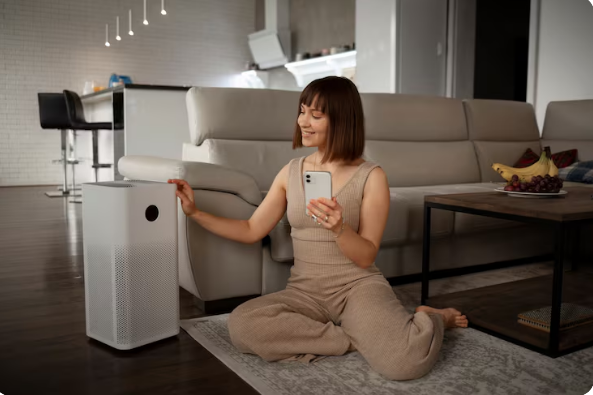
Indoor air quality plays a major role in creating a healthy and productive workplace environment. Employees spend a significant amount of time inside commercial buildings, making clean and comfortable indoor air essential for overall well-being, focus, and workplace performance.
Poor indoor air quality can contribute to discomfort, reduced concentration, and increased employee complaints. Dust, allergens, pollutants, and airborne particles can affect the indoor environment and create challenges for businesses.
Investing in professional air purification Sterling VA solutions helps businesses improve indoor air conditions and create healthier spaces where employees can work more comfortably and efficiently.
How Indoor Air Quality Impacts Workplaces
The quality of air inside a building directly affects how employees experience their work environment. Poor ventilation and airborne contaminants can reduce comfort levels and impact daily productivity.
A cleaner indoor environment supports better concentration, fewer distractions, and improved workplace satisfaction.
Common Indoor Air Pollutants in Commercial Buildings
Commercial spaces can contain various pollutants that affect air quality. These contaminants may enter through ventilation systems, outdoor air, cleaning products, and everyday activities.
Common indoor air pollutants include:
Dust and airborne particles
Allergens such as pollen and mold spores
Chemical pollutants from cleaning products
Bacteria and airborne contaminants
Why Businesses Need Professional Air Quality Management
Maintaining good indoor air quality requires more than basic cleaning. Commercial buildings need proper air management strategies that address pollutants and improve overall ventilation.
Professional HVAC and air purification services help businesses create cleaner indoor environments while supporting employee comfort and productivity.
Businesses that require reliable support can benefit from 24 hour hvac service sterling solutions that help address urgent HVAC and air quality concerns.
Reducing Employee Discomfort
Poor indoor air quality may cause discomfort that affects employee focus and performance. Issues such as stale air, unpleasant odors, and excessive dust can create an uncomfortable workplace.
Improving air quality helps create a more pleasant environment for employees.
Supporting Employee Health
Cleaner air can help reduce exposure to airborne particles and pollutants. Better indoor air conditions support a healthier workplace environment.
Businesses that prioritize air quality demonstrate a commitment to employee comfort and safety.
Improving Workplace Satisfaction
Employees are more likely to feel satisfied in workplaces that provide comfortable conditions. Indoor air quality is an important part of creating a positive work environment.
Signs Your Commercial Building Has Poor Indoor Air Quality
Recognizing air quality problems early allows businesses to take action before conditions affect employees and operations. Many indoor air issues develop gradually and may not always be immediately noticeable.
Professional assessment helps identify potential problems and determine the right solutions for improving air conditions.
Increased Dust and Allergens
Excessive dust buildup or frequent allergy complaints may indicate poor filtration or ventilation issues.
Improving air filtration can help reduce airborne particles and create cleaner indoor spaces.
Unpleasant Odors and Stale Air
Persistent odors often indicate poor ventilation or the presence of airborne contaminants.
Proper air purification solutions help remove unwanted particles and improve indoor freshness.
Employee Complaints About Comfort
Frequent complaints about air quality, temperature, or breathing discomfort may indicate that a building needs better air management.
Addressing these concerns improves workplace conditions.
The Role of Smart HVAC Technology in Improving Indoor Air Quality
Modern HVAC technology provides businesses with better control over indoor environments. Smart systems allow building owners to monitor, adjust, and optimize air quality conditions more effectively.
Advanced controls improve system performance while helping maintain consistent comfort levels throughout commercial spaces.
Businesses looking to improve HVAC management can explore smart controls hvac solutions that provide better monitoring and automation.
Automated Air Quality Monitoring
Smart HVAC systems can monitor indoor conditions and identify changes in air quality. This allows businesses to respond quickly to potential issues.
Real-time monitoring helps maintain healthier indoor environments.
Improved Energy Efficiency
Smart controls optimize HVAC operation based on building usage and environmental conditions.
This helps businesses maintain comfort while reducing unnecessary energy consumption.
Better Temperature and Airflow Management
Advanced HVAC controls improve airflow distribution and temperature balance.
Consistent indoor conditions create a more comfortable workplace for employees.
Benefits of Air Purification Solutions for Sterling VA Businesses
Air purification systems provide businesses with an effective way to improve indoor air quality. These systems help reduce airborne contaminants and create cleaner commercial environments.
Choosing the right purification solution depends on building size, air quality concerns, and business requirements.
Companies searching for reliable air purification solutions sterling va services can improve workplace air conditions through professional recommendations and installation.
Removing Airborne Contaminants
Air purification systems help reduce pollutants such as dust, allergens, and other airborne particles.
Cleaner air supports a healthier and more comfortable indoor environment.
Improving Employee Comfort
Better air quality contributes to improved workplace comfort. Employees can work more effectively when indoor conditions are properly maintained.
Supporting Better Workplace Performance
A comfortable environment helps employees stay focused and productive.
Air purification is an important investment for businesses that want to improve workplace conditions.
How Commercial Air Purification Systems Support Business Environments
Commercial buildings have unique air quality challenges due to their size, occupancy levels, and daily operations. Standard air filtration may not always be enough to address all indoor pollutants.
Professional purification systems provide targeted solutions designed specifically for business environments.
Businesses interested in improving workplace air quality can consider commercial air purification systems designed for larger properties.
Managing High Occupancy Spaces
Offices, retail locations, and commercial facilities often have many occupants throughout the day. More people can increase airborne particles and affect air quality.
Commercial purification systems help maintain cleaner air in busy environments.
Enhancing Building Comfort
Air purification works alongside HVAC systems to improve overall indoor conditions.
Better air quality supports employee satisfaction and creates a more welcoming workplace.
Protecting Business Operations
Poor air quality can contribute to employee discomfort and reduced productivity. Maintaining cleaner air helps businesses create more reliable working environments.
How Air Purification Improves Employee Productivity
Employee productivity depends on many workplace factors, including comfort, environment, and overall well-being. Indoor air quality is an often-overlooked factor that can influence how employees feel and perform.
Creating a cleaner indoor environment helps businesses support better workplace experiences.
Improved Focus and Concentration
Fresh, clean air helps employees remain comfortable during working hours. Better indoor conditions can reduce distractions caused by poor air quality.
Reduced Workplace Disruptions
Poor indoor air conditions may contribute to employee discomfort and increased complaints. Improving air quality helps maintain smoother daily operations.
Enhanced Employee Experience
A healthier workplace environment improves employee satisfaction and demonstrates that businesses value their workforce.
Factors to Consider When Choosing an Air Purification System
Selecting the right air purification system requires understanding building requirements and air quality challenges. Businesses should evaluate their needs before investing in a solution.
Professional guidance ensures the chosen system provides effective performance.
Building Size and Layout
Larger buildings may require advanced purification systems designed to handle higher air volumes.
The building layout also affects how air moves throughout the space.
Type of Air Quality Concerns
Different environments may experience different air quality challenges. Some businesses may need solutions focused on allergens, odors, or airborne particles.
Understanding the specific concern helps determine the best system.
System Compatibility
Air purification solutions should work effectively with existing HVAC equipment.
Professional installation ensures proper integration and performance.
Common Mistakes Businesses Make When Managing Indoor Air Quality
Many businesses focus only on temperature control and overlook air purification. Avoiding common mistakes helps create healthier indoor environments.
Ignoring Regular HVAC Maintenance
Dirty filters and poorly maintained systems can reduce indoor air quality.
Regular maintenance supports better system performance.
Choosing the Wrong Purification System
Not every air purification solution is suitable for every building.
Professional evaluation helps businesses select the right option.
Delaying Air Quality Improvements
Waiting too long to address air quality issues can affect employee comfort and productivity.
Early action helps maintain better workplace conditions.
Frequently Asked Questions About Air Purification Sterling VA
How does air purification improve indoor air quality?
Air purification systems help remove airborne particles, allergens, and contaminants, creating cleaner and healthier indoor environments.
Can better air quality improve employee productivity?
Yes, improved indoor air quality can support employee comfort, concentration, and overall workplace satisfaction.
Are commercial air purification systems worth the investment?
Yes, commercial air purification systems help businesses improve indoor conditions, protect employees, and create more comfortable workplaces.
How often should air purification systems be maintained?
Maintenance schedules depend on the system type and usage. Regular inspections help ensure effective performance.
Conclusion
Indoor air quality has a direct impact on employee comfort, workplace satisfaction, and productivity. Businesses that invest in professional air purification solutions can create healthier environments while supporting better daily performance.
From advanced HVAC controls to commercial purification systems, the right solutions help maintain cleaner and more comfortable indoor spaces. If your business needs expert guidance for improving indoor air quality, contact us today to explore the best air purification options for your property.