

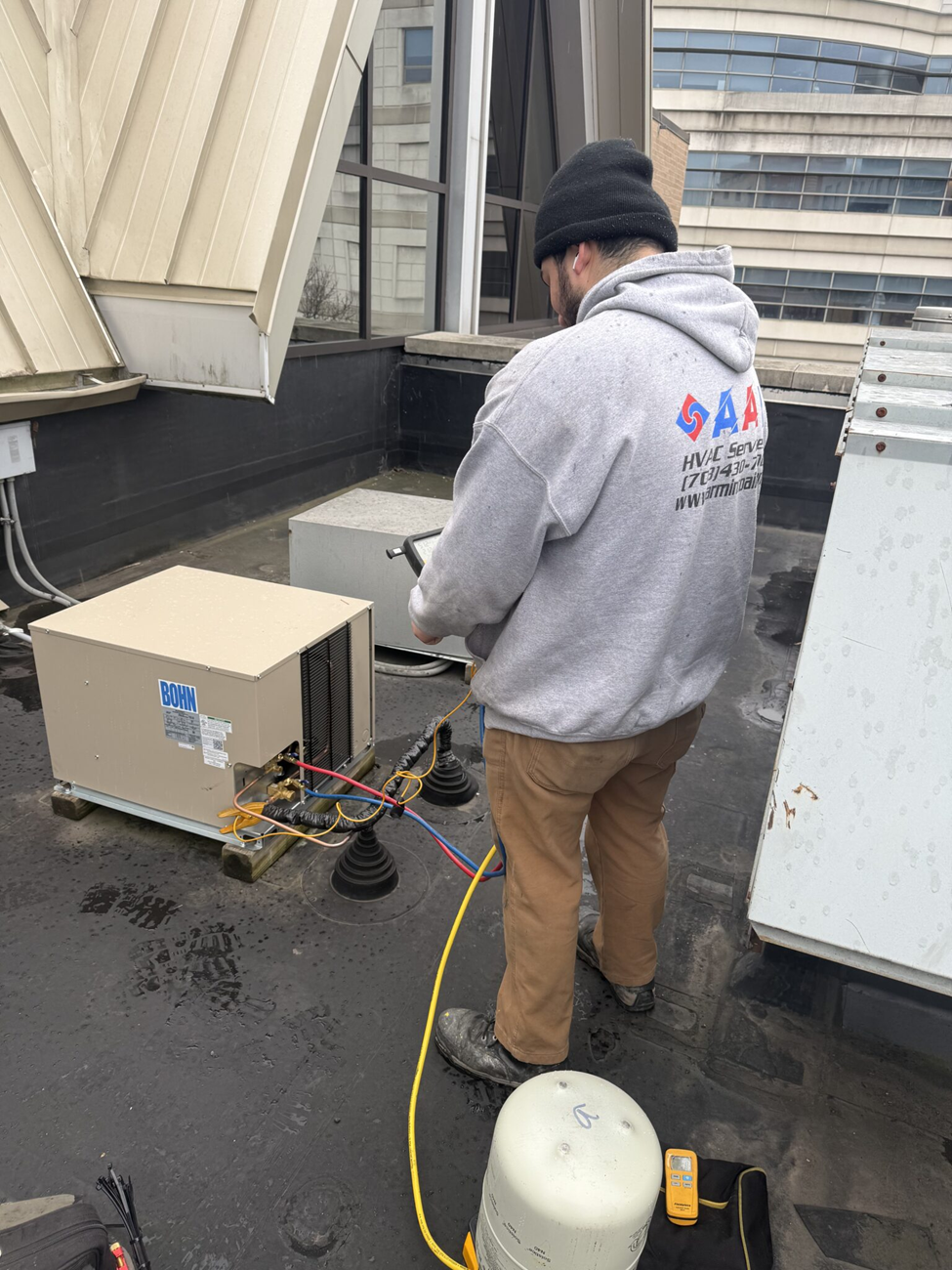
Virginia’s climate plays a significant role in how commercial HVAC systems perform throughout the year. The state falls under Climate Zone 4A, which is categorized as a mixed-humid region. This means buildings experience both hot, humid summers and cold winters. These seasonal shifts create varying demands on HVAC systems, requiring them to operate efficiently under changing conditions. Without proper adjustments, systems may struggle to maintain performance and energy efficiency.
A reliable commercial hvac service is essential for managing these seasonal changes. HVAC systems must be designed and maintained to handle both extremes effectively. The combination of temperature fluctuations and humidity levels increases system complexity. Building owners must understand how local weather impacts system performance. This knowledge helps in planning maintenance and improving overall efficiency.
- Virginia is classified as a mixed-humid climate zone
- Seasonal changes create varying HVAC demands
- Temperature and humidity affect system performance
- Proper system management ensures efficiency
Impact of Summer Conditions on HVAC Cooling Performance
Summer in Virginia brings high temperatures and elevated humidity levels. These conditions significantly increase the cooling load on commercial HVAC systems. As the demand for cooling rises, systems must work harder to maintain indoor comfort. This increased workload can lead to reduced efficiency if systems are not properly maintained. Continuous operation under high demand also accelerates wear on system components.
Humidity plays a critical role during summer months. High moisture levels make it harder for HVAC systems to cool indoor spaces effectively. Systems must remove both heat and moisture, which increases energy consumption. Proper system calibration ensures that cooling performance remains consistent. Efficient systems are designed to handle both temperature and humidity challenges.
- High temperatures increase cooling demand
- Humidity reduces cooling efficiency
- Systems require proper calibration for peak performance
- Increased workload can lead to component wear
Winter Heating Strain on Commercial HVAC Systems
Winter conditions in Virginia place a different type of stress on HVAC systems. During colder months, systems must provide consistent heating to maintain indoor comfort. This creates a continuous demand on heating components. Temperature fluctuations can further complicate system performance. Systems must adjust frequently to maintain stable conditions.
Heating strain can reduce overall system efficiency if not managed properly. Components such as heat exchangers and motors experience increased usage. Regular maintenance ensures that these components function efficiently. Proper insulation and system design also play a role in reducing heating demand. Efficient systems are better equipped to handle winter conditions without excessive strain.
- Cold temperatures increase heating demand
- System components experience continuous usage
- Temperature fluctuations impact performance
- Efficient design reduces heating strain
Role of Humidity in HVAC System Performance
Humidity is a key factor that affects HVAC performance throughout the year. High humidity levels during summer increase the burden on cooling systems. Low humidity in winter can also impact indoor comfort and air quality. Managing humidity is essential for maintaining a balanced indoor environment. HVAC systems must be equipped to handle moisture control effectively.
Proper humidity management improves system efficiency and indoor air quality. Dehumidification processes remove excess moisture during cooling cycles. This helps maintain consistent comfort levels. Systems that are not designed for humidity control may struggle to perform efficiently. Regular maintenance ensures that humidity control features operate effectively.
- High humidity increases cooling workload
- Moisture control improves indoor comfort
- Balanced humidity supports air quality
- Efficient systems manage humidity effectively
Importance of HVAC Recalibration During Seasonal Transitions
Seasonal transitions require HVAC systems to adapt to changing conditions. Recalibration involves adjusting system settings to match seasonal demands. This process ensures that systems operate efficiently throughout the year. Without recalibration, systems may continue to operate under outdated settings. This leads to inefficiencies and increased energy consumption.
Working with professional hvac system installers helps ensure proper system adjustments. Recalibration includes updating thermostat settings and airflow configurations. It also involves checking system components for optimal performance. Regular adjustments improve efficiency and reduce the risk of breakdowns. A well-calibrated system delivers consistent performance across all seasons.
- Recalibration aligns system settings with seasonal needs
- Proper adjustments improve efficiency
- Regular updates reduce energy consumption
- Optimized systems perform better year round
Climate-Specific HVAC Design Considerations in Virginia
Designing HVAC systems for Virginia requires a climate-specific approach. Systems must handle both high humidity and temperature variations. Equipment selection plays a critical role in achieving this balance. Engineers must consider factors such as insulation, airflow, and system capacity. A well-designed system performs efficiently under all conditions.
Climate Zone 4A requires systems that can adapt to mixed conditions. Energy efficiency is a key consideration in system design. Proper sizing ensures that systems operate without unnecessary strain. Advanced technologies improve system flexibility and control. Climate-aware design leads to better performance and reduced operational costs.
- Mixed climate requires adaptable HVAC systems
- Proper sizing improves efficiency
- Equipment selection impacts performance
- Climate-aware design reduces energy usage
Preventive Maintenance Strategies for Seasonal Performance
Preventive maintenance is essential for maintaining HVAC performance throughout the year. Seasonal inspections help identify potential issues before they escalate. Maintenance activities vary depending on the time of year. Preparing systems for summer and winter ensures consistent performance. Regular servicing reduces the risk of unexpected breakdowns.
During peak seasons, systems are more likely to experience stress. Access to emergency hvac repair ensures quick resolution of critical issues. Maintenance plans should include cleaning, inspections, and component checks. Consistent maintenance improves efficiency and extends system lifespan. A proactive approach helps avoid costly repairs.
- Seasonal inspections prevent system failures
- Maintenance improves efficiency and reliability
- Regular servicing extends equipment lifespan
- Quick repairs reduce downtime
Conclusion: Adapting HVAC Systems to Virginia’s Seasonal Changes
Seasonal changes in Virginia have a direct impact on commercial HVAC performance. Systems must handle varying demands caused by temperature and humidity fluctuations. Understanding these factors is essential for maintaining efficiency and reliability. Proper system design, maintenance, and recalibration ensure consistent performance throughout the year.
Building owners should focus on proactive strategies to manage seasonal challenges. Investing in efficient systems and regular maintenance reduces operational costs. Climate-aware planning improves system longevity and performance. A well-managed HVAC system supports comfort and energy efficiency in all conditions.
For expert support and customized HVAC solutions, contact Armincoair AAI to ensure your system performs efficiently in every season.