

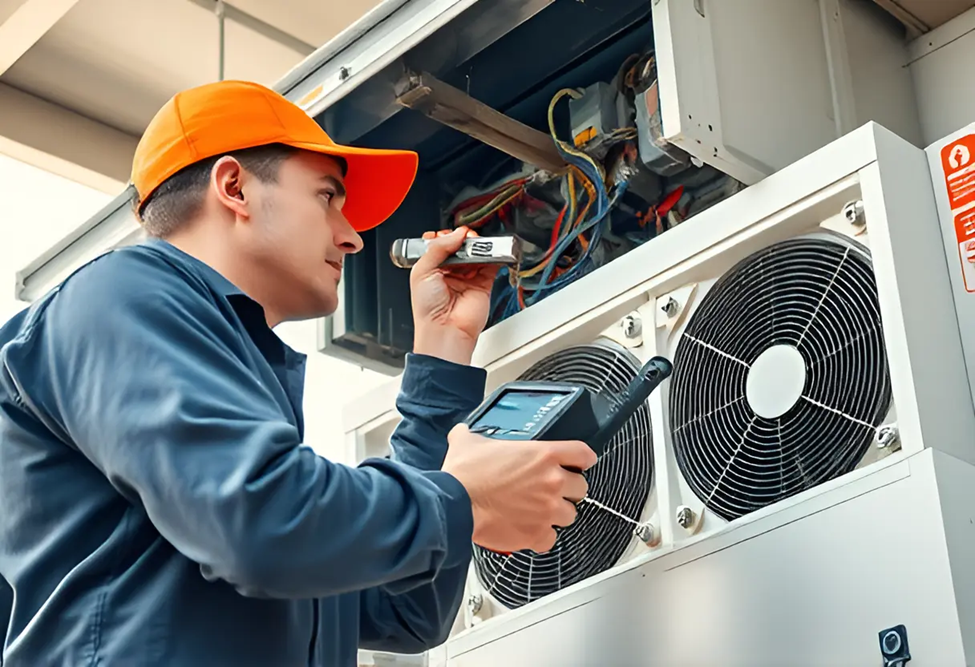
Frequent HVAC breakdowns in commercial environments are often the result of underlying issues that go unnoticed for long periods. Office and industrial buildings depend heavily on HVAC systems for consistent performance. When failures occur repeatedly, they disrupt operations and increase maintenance costs. Identifying the root cause is essential for improving system reliability and reducing long term expenses. Many property managers face this issue due to a lack of system awareness and delayed maintenance actions.
A well-functioning commercial HVAC system should operate efficiently without constant interruptions. Repeated failures indicate deeper technical or operational problems. These problems may stem from mechanical wear, airflow issues, or poor system design. Addressing these concerns early helps prevent costly repairs. A proactive approach ensures better performance and longer system lifespan.
- Frequent breakdowns increase operational costs
- System inefficiencies lead to higher energy usage
- Delayed repairs can cause major component failures
- Early diagnosis improves system reliability
HVAC Short Cycling and Its Impact on System Health
Short cycling is one of the most common causes of HVAC system breakdowns. It occurs when the system turns on and off too frequently without completing a full cycle. This behavior places excessive stress on system components. Over time, it reduces efficiency and increases wear and tear. Short cycling also prevents the system from maintaining stable indoor conditions.
Several factors contribute to short cycling in commercial HVAC systems. Improper system sizing is a major cause. Thermostat issues and airflow restrictions can also trigger this problem. When the system cycles too often, it consumes more energy and reduces equipment lifespan. Addressing short cycling requires a detailed inspection of system design and operation.
- Oversized systems lead to rapid cycling
- Thermostat malfunctions disrupt system operation
- Airflow restrictions affect system balance
- Frequent cycling increases component wear
Refrigerant Leaks in Commercial HVAC Systems
Refrigerants play a critical role in the cooling process of HVAC systems. Leaks can significantly impact system performance and efficiency. When refrigerant levels drop, the system struggles to maintain the desired temperature. This leads to increased workload on the compressor and other components. Over time, it results in frequent repairs and higher energy consumption.
Detecting refrigerant leaks early is essential for maintaining system health. Common signs include reduced cooling efficiency and unusual system behavior. Ignoring these signs can lead to severe damage. Proper inspection and timely repairs help restore system performance. Maintaining correct refrigerant levels ensures efficient operation.
- Low refrigerant reduces cooling efficiency
- Leaks increase energy consumption
- Compressor strain leads to frequent breakdowns
- Early detection prevents major damage
Airflow Imbalance and Distribution Issues
Airflow imbalance is another major factor behind frequent HVAC repairs. It occurs when air is not distributed evenly throughout the building. This imbalance forces the system to work harder to maintain consistent temperatures. Over time, it increases stress on system components. Poor airflow also affects indoor comfort and air quality.
Several issues can cause airflow imbalance. Blocked ducts and poor system design are common factors. Dirty filters and improper maintenance also contribute to this problem. Regular inspections help identify airflow issues early. Proper airflow management improves system efficiency and reduces repair frequency.
- Blocked ducts restrict airflow
- Dirty filters reduce system efficiency
- Poor design leads to uneven air distribution
- Balanced airflow improves performance
Worn Compressors and Mechanical Component Failures
The compressor is one of the most critical components of an HVAC system. It is responsible for circulating refrigerant and maintaining cooling performance. Over time, compressors experience wear due to continuous operation. This wear can lead to reduced efficiency and eventual failure. When the compressor fails, the entire system is affected.
Mechanical components such as motors and fans also degrade over time. Lack of maintenance accelerates this process. Regular inspections help identify early signs of wear. Replacing worn components before failure reduces downtime and repair costs. Proper care extends the lifespan of HVAC systems.
- Compressor wear reduces system efficiency
- Mechanical failures lead to frequent repairs
- Regular inspections detect early issues
- Timely replacements prevent major breakdowns
Aging HVAC Systems in Virginia Commercial Buildings
Commercial HVAC systems have a limited lifespan. As systems age, their performance gradually declines. Older systems become less efficient and more prone to breakdowns. This leads to increased maintenance costs and reduced reliability. Property managers must evaluate system performance regularly.
Aging systems often struggle to meet modern efficiency standards. Components wear out and technology becomes outdated. Deciding between repair and replacement is a critical step. Upgrading to newer systems can improve efficiency and reduce long term costs. Proper evaluation ensures the best decision for building operations.
- Older systems require frequent repairs
- Efficiency declines over time
- Outdated technology affects performance
- Replacement may offer better long term value
Maintenance Gaps and Their Long Term Impact
Lack of regular maintenance is a major contributor to HVAC system failures. Preventive maintenance ensures that systems operate efficiently and reliably. Without it, small issues can develop into major problems. Maintenance gaps lead to increased wear and reduced system performance. Regular servicing is essential for long term efficiency.
Investing in local hvac maintenance services helps maintain system health. Scheduled inspections identify potential issues before they escalate. Maintenance also improves energy efficiency and reduces operational costs. A consistent maintenance plan ensures smooth system operation.
- Preventive maintenance reduces breakdowns
- Regular inspections improve efficiency
- Maintenance extends equipment lifespan
- Early detection prevents costly repairs
Cost Prevention Strategies for Reducing HVAC Repairs
Reducing HVAC repair costs requires a proactive approach. Property managers must focus on prevention rather than reactive solutions. Implementing the right strategies improves system reliability and reduces expenses. Regular monitoring and system upgrades play a key role in cost control. Efficient systems require less frequent repairs.
Advanced Building controls enhance system monitoring and performance. These systems provide real time data and help detect issues early. Automation improves efficiency and reduces human error. Investing in smart controls supports long term cost savings. A well-managed HVAC system delivers consistent performance.
- Preventive maintenance reduces repair frequency
- Smart controls improve system monitoring
- Upgrades enhance system efficiency
- Early intervention minimizes costs
Conclusion: How to Minimize HVAC Breakdowns and Repair Costs
Frequent HVAC repairs in commercial buildings are often caused by a combination of technical and operational issues. Short cycling, refrigerant leaks, airflow imbalance, and aging components all contribute to system failures. Identifying these root causes is essential for improving system performance. A proactive approach helps reduce downtime and maintenance expenses.
Property managers should focus on preventive strategies to ensure long term reliability. Regular maintenance, system upgrades, and proper monitoring are key factors. Investing in efficient solutions improves performance and reduces costs. A well-maintained HVAC system supports smooth building operations and energy efficiency.
For expert assistance and reliable solutions, contact Armincoair AAI to optimize your HVAC system and reduce repair costs.