

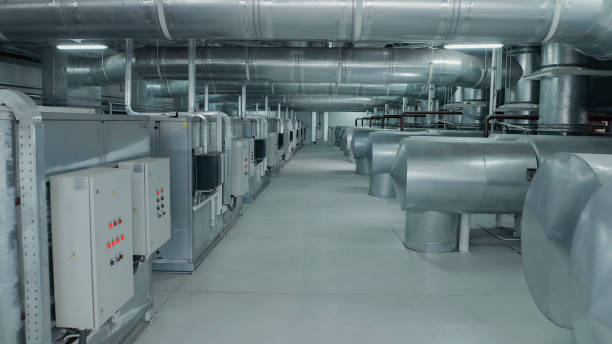
Importance of HVAC in Cold Storage Facilities
In the world of industrial food processing and preservation, reliability and precision are everything. Cold storage facilities depend heavily on their HVAC systems to maintain strict temperature and humidity levels that protect products and prevent spoilage.
At AAI, we understand that designing an efficient and consistent cold storage HVAC system is critical to keeping operations running smoothly. A well-engineered system not only ensures product safety but also helps reduce energy consumption, improve performance, and minimize costly downtime.
Reliable HVAC design in cold storage isn’t just about cooling, it’s about precision, control, and balance across every aspect of temperature, humidity, and airflow.
Key Requirements for Cold Storage HVAC Systems
Cold storage environments have distinct needs that set them apart from typical commercial or industrial buildings. To maintain consistent performance, systems must address several technical demands simultaneously.
Temperature Control and Stability
Maintaining the right temperature range is essential for product preservation. Even a few degrees of fluctuation can cause spoilage, moisture loss, or condensation.
Key strategies include:
- Using advanced thermostatic controls to maintain tight temperature tolerances.
- Implementing zoning to manage different temperature requirements for various storage sections.
- Designing air distribution to ensure even cooling throughout the space.
Consistency ensures not only product safety but also compliance with regulatory standards in the food and pharmaceutical industries.
Humidity Management in Cold Environments
Humidity is another crucial factor in cold storage performance. Excess moisture can lead to frost buildup, mold growth, and reduced cooling efficiency.
Effective humidity management involves:
- Installing dehumidification systems to control moisture levels.
- Using vapor barriers and proper insulation to prevent condensation.
- Monitoring and adjusting relative humidity levels continuously.
With proper humidity control, cold storage environments can remain stable and efficient, protecting both products and infrastructure.
Fundamentals of Refrigeration HVAC Design
Designing cold storage systems requires a precise balance between engineering principles and practical application.
Accurate Load Calculation and System Zoning
Every facility has unique heat load requirements influenced by factors like size, insulation quality, product type, and entry frequency. Accurate load calculation ensures the system is neither over- nor undersized.
AAi engineers perform detailed load analyses to ensure that systems:
- Meet precise cooling demands for each zone.
- Maintain optimal air exchange rates.
- Operate efficiently under varying load conditions.
Proper zoning separates areas with different temperature needs, such as freezer storage, blast chillers, and staging zones, allowing maximum efficiency and flexibility.
Ensuring Proper Air Circulation
Air circulation affects temperature uniformity and moisture control. Uneven airflow can lead to hot and cold spots, compromising product integrity.
Designing an effective circulation system includes:
- Proper fan and duct sizing.
- Strategic air diffuser placement.
- Continuous airflow monitoring for performance optimization.
With controlled circulation, cold air is distributed evenly, ensuring stable storage conditions.
Equipment Selection for Cold Storage Efficiency
Choosing the right equipment is the cornerstone of reliable cold storage design. Each component plays a role in maintaining system performance and energy efficiency.
Choosing Reliable Refrigeration Components
Efficient refrigeration systems depend on durable and properly matched components. This includes compressors, condensers, evaporators, and refrigerants designed for low-temperature environments.
Modern systems use energy-efficient compressors and smart controls to maintain performance while minimizing power consumption.
Insulation and Material Considerations
Proper insulation is essential to reduce heat transfer and maintain consistent internal temperatures.
Best practices include:
- Using high R-value insulation materials.
- Sealing all joints and penetrations carefully.
- Selecting corrosion-resistant materials for long-term durability.
Effective insulation not only reduces energy costs but also extends equipment lifespan.
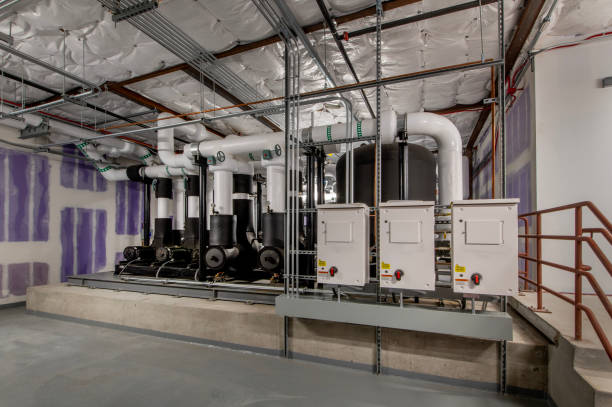
Smart Controls and Monitoring Systems
Automation and real-time monitoring are transforming the way cold storage HVAC systems operate.
Automation and Real-Time Data Tracking
Smart controls and Internet of Things (IoT) systems enable operators to track temperature, humidity, and system performance remotely.
Benefits include:
- Real-time alerts for temperature deviations.
- Predictive maintenance through data analytics.
- Better energy management and compliance tracking.
AAI integrates smart control systems into every design, allowing facility managers to maintain oversight, reduce waste, and optimize efficiency continuously.
Maintenance for Long-Term HVAC Performance
Preventive maintenance is essential for preserving performance and minimizing operating costs in cold storage environments.
Preventive Service and Inspection Routines
Routine inspections identify issues early, ensuring consistent operation and reducing emergency repair costs.
Recommended maintenance practices:
- Checking refrigerant levels and detecting leaks.
- Cleaning coils and filters regularly.
- Verifying thermostat accuracy and control calibration.
Scheduling maintenance through a professional service plan keeps systems efficient and compliant with operational standards.
Common HVAC Challenges in Cold Storage
Despite careful design, cold storage facilities face unique challenges that can affect performance and efficiency.
Managing Frost and Ice Buildup
Frost buildup can reduce cooling capacity, block airflow, and increase energy consumption. To prevent this:
- Maintain proper door seals and air curtains.
- Regularly defrost evaporators.
- Use humidity sensors for early detection of moisture accumulation.
Proactive management of frost and condensation prevents system inefficiency and product loss.
Building Energy-Efficient and Reliable Cold Storage Systems
Energy efficiency is vital for reducing operational costs in large-scale cold storage facilities.
Key strategies include:
- Using variable frequency drives (VFDs) to optimize fan and compressor speeds.
- Recovering waste heat for defrosting or water heating.
- Incorporating energy-efficient lighting to reduce internal heat load.
By combining design precision with smart energy strategies, AAI helps industrial and food-sector clients build systems that are both sustainable and cost-effective.
Conclusion: Partner with Experts for Sustainable HVAC Design
Designing and maintaining reliable cold storage HVAC systems requires a blend of engineering precision, advanced technology, and proactive maintenance. From temperature control and humidity management to equipment selection and smart automation, every detail contributes to long-term reliability and performance.
For food and industrial clients, a well-designed system is more than a utility—it’s a competitive advantage that protects products and profitability.
To ensure your cold storage facility operates at peak efficiency, contact AAi today for professional consultation and custom HVAC design solutions tailored to your business needs.
FAQs on Cold Storage HVAC Systems
1. What is the ideal temperature range for cold storage facilities?
Cold storage temperatures vary based on the type of product stored. Typically, chilled storage ranges from 34°F to 39°F, while frozen storage operates between -10°F and -20°F.
2. How does humidity affect stored products?
Excess humidity can cause frost, mold, and product degradation. Maintaining proper humidity levels ensures product quality and system efficiency.
3. What type of HVAC system works best for refrigeration applications?
Industrial-grade refrigeration systems with precise controls and redundancy features are ideal for cold storage environments that require constant temperature stability.
4. How can automation improve cold storage efficiency?
Automated systems monitor performance in real time, send alerts, and optimize compressor and fan operation to reduce energy use and prevent failures.
5. How often should HVAC systems in cold storage be serviced?
Routine inspections are recommended at least twice a year, with more frequent checks for high-capacity or 24/7 operations to ensure consistent performance.