

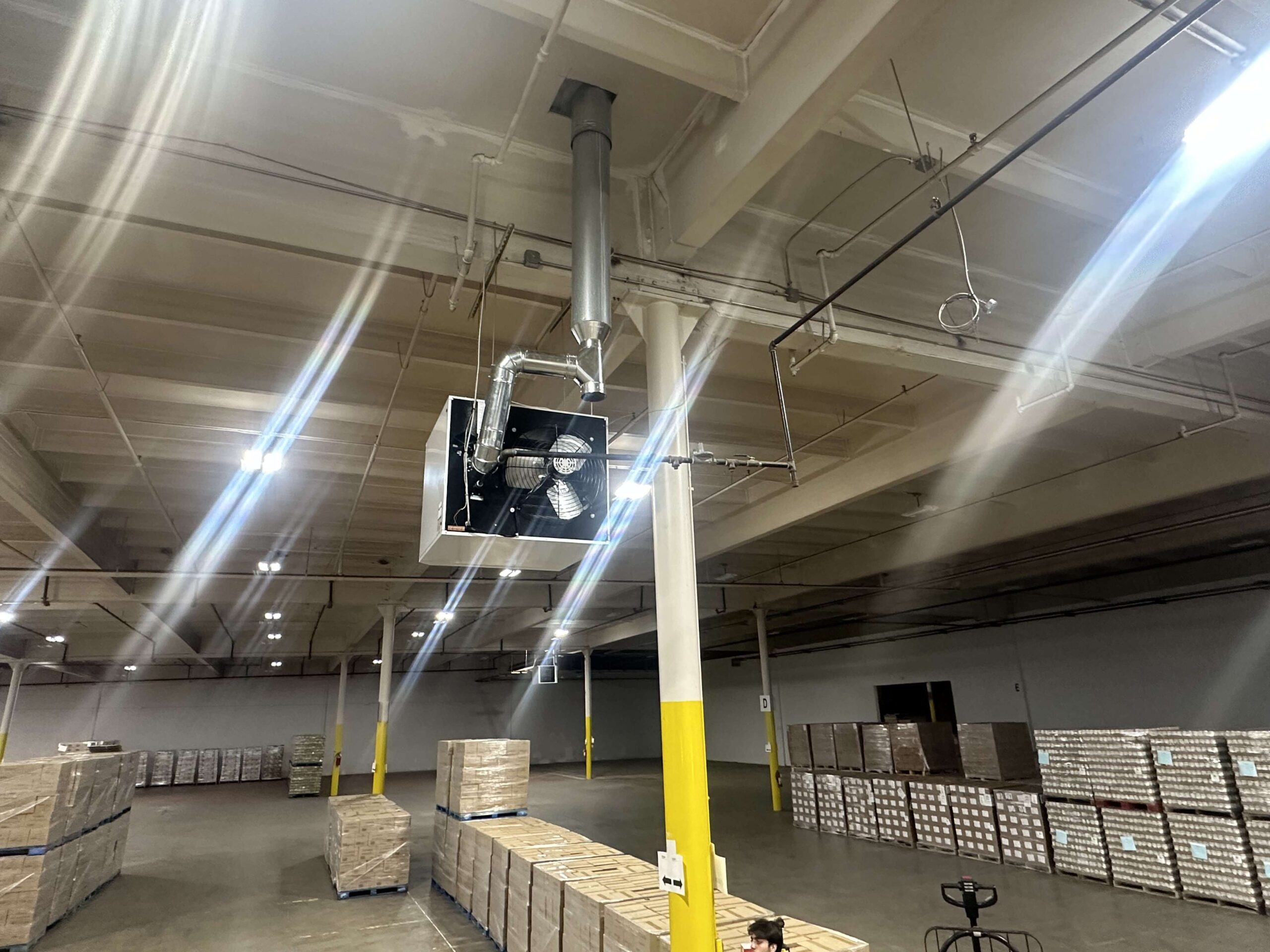
Data center HVAC filters play a critical role in maintaining clean airflow and protecting sensitive IT infrastructure in Sterling, VA. These systems must handle continuous operation while filtering microscopic contaminants that can damage servers and reduce system efficiency. In Northern Virginia, environmental factors such as humidity, dust, and seasonal pollen make filtration even more important. Choosing the right filters and suppliers ensures stable performance and long term system reliability.
Professional HVAC planning often begins with system design and installation. You can explore expert support through HVAC Installation in Sterling for properly configured data center cooling systems.
Why Specialized HVAC Filters Matter for Data Centers
Data centers require extremely clean air conditions to protect servers and electronic equipment from damage. Even small airborne particles can cause overheating, reduced efficiency, or long term hardware degradation. Standard filters are not sufficient for these environments, which is why specialized filtration systems are required.
In Sterling VA, environmental conditions can introduce additional challenges such as fine dust and humidity fluctuations. Specialized HVAC filters help maintain stable airflow while ensuring air quality remains within safe operational limits.
Key reasons specialized filters are essential include:
- Capture of microscopic airborne particles that damage IT equipment
- Maintenance of consistent and clean airflow across server racks
- Reduction of internal HVAC system strain and energy waste
- Compliance with industry air quality standards such as ASHRAE guidelines
- Improved cooling efficiency through reduced airflow obstruction
These factors make filtration a foundational component of data center HVAC system design.
Types of Specialized HVAC Filters Used in Data Centers
Different filter types serve different roles in maintaining air quality and system efficiency. Data centers often use multiple filtration stages to achieve optimal performance.
Common filter types include:
- HEPA filters for ultra-fine particle removal
- ULPA filters for high efficiency contaminant control
- MERV 13 to MERV 16 rated filters for commercial HVAC systems
- Nanofiber media filters for improved airflow efficiency
- Electrostatic filters for enhanced particle capture
Each filter type contributes to maintaining clean air while balancing airflow resistance and energy consumption. Higher efficiency filters provide better protection but must be selected carefully to avoid excessive pressure drop in HVAC systems.
For long term system stability, regular HVAC Maintenance Services ensure filters remain effective and HVAC systems continue operating efficiently.
Suppliers of Data Center HVAC Filters in Sterling VA
Selecting the right supplier is just as important as selecting the filter type. Suppliers must provide reliable products, technical support, and consistent availability to support mission critical operations.
Key supplier considerations include:
- Product quality and filtration efficiency ratings
- Availability of HEPA, ULPA, and MERV 16 plus filters
- Lead time for delivery and replacement cycles
- Technical documentation and compliance support
- Warranty and product performance guarantees
A structured supplier selection process ensures long term operational reliability and minimizes downtime risks.
Typical supplier categories include:
- Global filtration manufacturers
- Specialized HVAC component distributors
- Industrial air quality solution providers
- Local regional supply partners
These suppliers offer a wide range of filtration solutions suitable for high performance data center environments.
How to Choose the Right HVAC Filter Supplier
Choosing the right supplier requires careful evaluation of both technical and operational factors. Data centers must prioritize consistency, efficiency, and long term reliability.
Important selection criteria include:
- Understanding facility airflow and contamination risks
- Selecting filters with appropriate MERV ratings (14 or higher recommended)
- Evaluating energy efficiency impact of filter pressure drop
- Ensuring supplier availability for fast replacement cycles
- Reviewing compliance documentation and technical support options
Additional considerations include:
- Compatibility with existing HVAC systems
- Ability to support scalable infrastructure growth
- Availability of custom filtration solutions
- Supplier responsiveness during maintenance cycles
Proper supplier selection ensures that filtration systems remain effective under varying operational conditions.
For advanced system optimization, integration with building controls solutions allows real time monitoring of airflow and filter performance.
Role of HVAC Filters in System Efficiency
HVAC filters directly impact system performance by controlling airflow resistance and maintaining clean internal conditions. When filters become clogged or inefficient, HVAC systems must work harder, increasing energy consumption and operational costs.
Proper filtration improves both air quality and system efficiency by reducing strain on fans and cooling components. This leads to more stable temperature control and improved equipment protection.
Benefits of optimized filtration include:
- Reduced energy consumption through improved airflow efficiency
- Lower risk of overheating in server environments
- Extended lifespan of HVAC components
- Improved indoor air quality for sensitive equipment
- More stable temperature and humidity control
Efficient filtration is a key factor in maintaining overall data center reliability.
Integration with Industrial HVAC Systems
Data center filtration systems often operate as part of larger industrial HVAC infrastructures. These systems must be designed to handle high capacity loads while maintaining precise environmental control.
Industrial HVAC integration benefits include:
- Improved scalability for growing data center operations
- Enhanced system redundancy and reliability
- Better coordination between cooling and filtration systems
- Increased operational efficiency across large facilities
For large scale facilities, specialized industrial HVAC services ensure that filtration and cooling systems work together effectively to maintain optimal conditions.
Proper integration helps maintain consistent performance even under heavy workloads.
System Maintenance and Long Term Performance
HVAC filter performance depends heavily on regular maintenance and replacement cycles. Over time, filters collect particles that restrict airflow and reduce system efficiency. Regular monitoring ensures that filters are replaced before they impact performance.
Key maintenance practices include:
- Scheduled filter inspection and replacement
- Monitoring airflow pressure across HVAC systems
- Cleaning internal HVAC components regularly
- Tracking filter performance over time
- Ensuring proper sealing and installation of filter units
Consistent maintenance helps prevent unexpected system failures and ensures continuous protection of critical infrastructure.
Proper system upkeep is essential for maintaining long term efficiency and reducing operational risks.

Conclusion
Specialized HVAC filters are essential for maintaining clean airflow and protecting data center infrastructure in Sterling VA. By selecting the right filter types and working with reliable suppliers, data centers can improve efficiency, reduce energy consumption, and extend equipment lifespan.
A well designed filtration strategy ensures that HVAC systems operate smoothly under demanding conditions while maintaining stable environmental control. When combined with proper system design and maintenance, advanced filtration supports long term operational reliability.
For expert guidance and tailored HVAC solutions, you can always contact Armincoair AAI.