

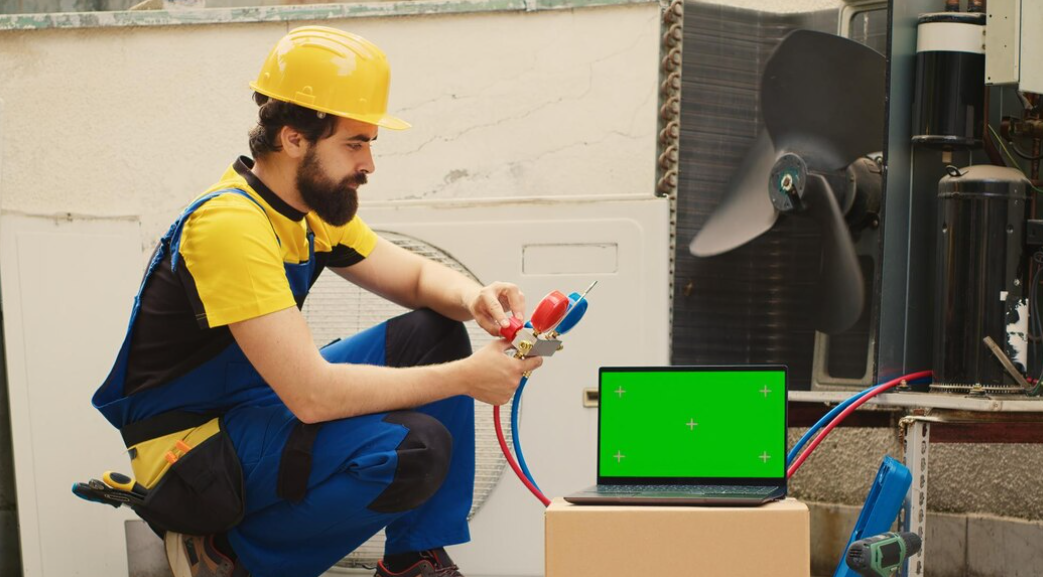
Choosing between traditional air conditioning and precision cooling is a critical decision for server rooms in Sterling, VA. Both systems serve the purpose of cooling, but their design, control accuracy, and operational efficiency are very different. Server rooms require stable temperature and humidity conditions that traditional AC systems are not always designed to maintain, making Comprehensive HVAC Maintenance essential for ensuring consistent performance and avoiding unexpected failures.
Precision cooling systems are built specifically for sensitive IT environments where even small fluctuations can impact performance. In contrast, traditional air conditioning is designed mainly for human comfort in offices and commercial buildings. This difference becomes especially important in Sterling, where seasonal climate changes can place additional stress on cooling systems, further highlighting the importance of regular maintenance and system optimization.
What Is Traditional AC vs Precision Cooling?
Traditional air conditioning systems are commonly used in residential and commercial buildings to regulate indoor comfort. They focus mainly on temperature reduction and general humidity control. However, they are not designed for environments that require tight environmental tolerances.
Precision cooling systems are engineered specifically for mission critical environments such as server rooms and data centers. They provide highly controlled temperature, humidity, airflow, and filtration management.
Key differences include:
- Traditional AC focuses on human comfort levels
- Precision cooling focuses on equipment safety and performance
- AC systems provide general airflow distribution
- Precision systems deliver targeted airflow to equipment zones
- AC systems have broader temperature tolerance
- Precision systems maintain strict environmental consistency
These differences make precision cooling essential for environments where uptime and equipment protection are top priorities.
Why Precision Cooling Matters in Server Rooms
Server rooms require stable environmental conditions to ensure uninterrupted performance. Even small changes in temperature or humidity can lead to system inefficiencies or hardware risks. In Sterling VA, seasonal weather variations further increase the importance of precise environmental control.
Precision cooling systems are designed to handle these challenges by maintaining consistent conditions at all times. They prevent overheating, reduce humidity fluctuations, and ensure balanced airflow across all equipment racks.
Key benefits of precision cooling include:
- Stable temperature control within tight tolerances
- Controlled humidity levels for equipment protection
- Reduced risk of overheating and system failure
- Improved airflow distribution across server racks
- Enhanced equipment lifespan and reliability
These benefits make precision cooling a preferred choice for modern server environments that demand continuous operation.
For long term system performance, proper HVAC Installation Services ensure that precision systems are correctly designed and configured.
Performance Differences Between AC and Precision Cooling
The performance gap between traditional AC systems and precision cooling systems is significant. Precision cooling systems are designed to operate continuously under variable loads, while traditional systems are not optimized for constant high demand.
Precision systems provide better accuracy, efficiency, and environmental control. They are specifically engineered for IT equipment heat loads and airflow requirements.
Performance comparison highlights:
- Precision cooling maintains tighter temperature control
- Traditional AC has wider temperature fluctuations
- Precision systems support continuous operation
- AC systems may cycle frequently, reducing efficiency
- Precision cooling improves airflow targeting
- AC systems provide general room-level cooling
These performance differences directly impact system reliability and operational efficiency in server environments.
For ongoing performance stability, regular HVAC Maintenance Services are essential to ensure both system types operate effectively.
Key Technical Differences
Understanding the technical differences between these systems helps clarify why precision cooling is preferred for server rooms.
Comparison overview:
- Temperature accuracy
- Traditional AC: ±3°F or more
- Precision cooling: ±1°F
- Humidity control
- Traditional AC: limited control
- Precision cooling: 40 percent to 55 percent RH
- Air distribution
- Traditional AC: general room airflow
- Precision cooling: directed airflow to equipment
- Energy efficiency
- Traditional AC: moderate efficiency
- Precision cooling: optimized for IT load
- Maintenance needs
- Traditional AC: standard maintenance cycles
- Precision cooling: specialized and regular monitoring
- Operational design
- Traditional AC: intermittent use
- Precision cooling: continuous operation
These technical differences highlight why precision cooling is better suited for environments with critical uptime requirements.
Role of Environmental Control in System Reliability
Environmental control plays a major role in ensuring server room reliability. Precision cooling systems maintain stable temperature and humidity levels, which reduces stress on IT equipment. This leads to improved performance consistency and reduced failure rates.
Traditional AC systems may struggle to maintain these conditions due to broader operating tolerances. This can result in uneven cooling and inefficient energy usage in high density server environments.
Precision cooling systems also integrate well with modern monitoring technologies. These systems allow real time adjustments based on environmental changes, ensuring consistent protection for critical infrastructure.
Integration with building controls solutions further enhances system intelligence and efficiency.
Integration with Advanced HVAC Ecosystems
Modern server room cooling systems often work as part of a larger HVAC ecosystem. Precision cooling integrates seamlessly with advanced airflow management, monitoring systems, and filtration solutions.
Key integration advantages include:
- Real time monitoring of environmental conditions
- Automated adjustment of cooling output
- Improved energy efficiency through smart controls
- Enhanced coordination between HVAC components
- Better response to workload changes
This level of integration ensures that server rooms maintain optimal conditions even during peak operational demand.
Precision cooling systems are particularly effective when combined with advanced air purification and airflow management strategies.
Maintenance and Long Term Efficiency
Precision cooling systems require consistent maintenance to maintain high performance. Regular servicing ensures that all components function correctly and that environmental conditions remain stable.
Key maintenance practices include:
- Routine inspection of cooling components
- Monitoring humidity and temperature sensors
- Cleaning airflow pathways and filters
- Checking system calibration regularly
- Verifying control system accuracy
Proper maintenance ensures long term reliability and reduces the risk of unexpected system failures. It also improves energy efficiency by keeping the system operating at optimal performance levels.
Well maintained systems deliver consistent cooling and protect critical IT infrastructure over time.
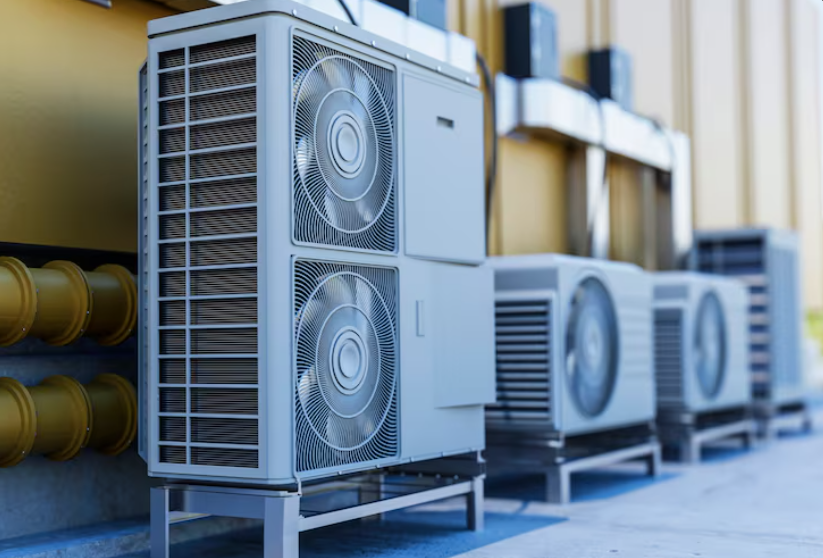
Conclusion
The difference between traditional air conditioning and precision cooling in Sterling VA server rooms is significant. While traditional AC systems are designed for general comfort, precision cooling systems are built for mission critical environments that require strict environmental control.
Precision cooling provides better temperature accuracy, humidity control, airflow management, and energy efficiency. These advantages make it the preferred solution for server rooms where uptime and equipment protection are essential.
With proper system design, installation, and maintenance, precision cooling ensures long term reliability and operational stability.
For expert guidance and tailored solutions, you can always contact Armincoair AAI.