

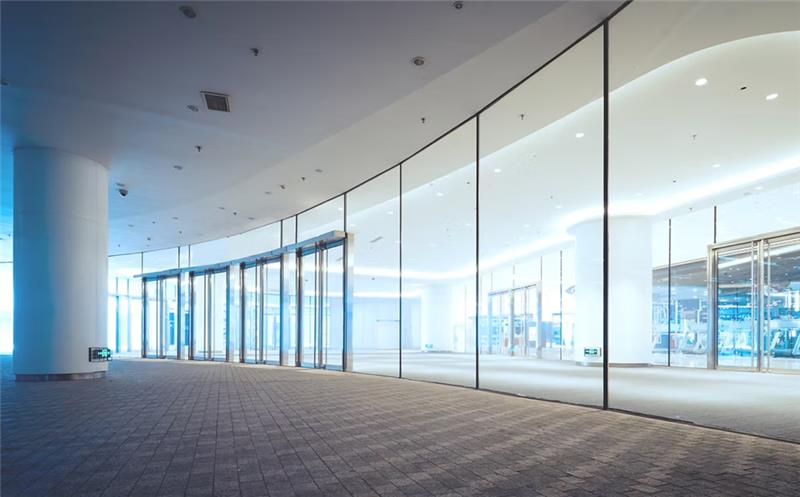
Indoor air quality is a critical factor in maintaining a safe and productive commercial environment. High-traffic spaces such as offices and industrial facilities experience continuous air circulation challenges. Poor air quality can lead to discomfort, reduced efficiency, and compliance concerns. Businesses must take proactive steps to control airborne contaminants and maintain a healthy indoor environment. Effective air quality management supports both employee well-being and operational performance.
A reliable commercial air purification service plays a vital role in improving indoor air conditions. These systems are designed to remove pollutants, allergens, and airborne particles. Proper implementation ensures consistent air quality across all areas of a building. Businesses must focus on both prevention and continuous monitoring. A structured approach helps maintain compliance with safety standards.
- Clean air improves employee comfort and productivity
- Air purification reduces airborne contaminants
- Proper systems support workplace safety compliance
- Continuous monitoring ensures consistent air quality
Understanding Air Changes Per Hour in Commercial Spaces
Air Changes Per Hour is a key metric used to measure ventilation efficiency in commercial buildings. It indicates how many times the air within a space is replaced in one hour. Higher ACH values typically result in better air quality and reduced contaminant levels. This metric is especially important in high-traffic environments where air circulation is constant. Understanding ACH helps businesses optimize their HVAC systems.
Proper ACH levels depend on the type of commercial space and its usage. High-density areas require more frequent air exchange to maintain cleanliness. Insufficient air changes can lead to accumulation of pollutants. Optimizing ACH improves both air quality and system efficiency. Engineers use this metric to design effective ventilation systems.
- ACH measures air replacement frequency
- Higher ACH improves air cleanliness
- Proper levels depend on space usage
- Optimized ventilation reduces contaminant buildup
Role of Ventilation in Reducing Airborne Contaminants
Ventilation is one of the most effective ways to control indoor air quality. It ensures the continuous flow of fresh air while removing stale air. Proper ventilation reduces the concentration of airborne contaminants. High-traffic spaces require well-designed airflow systems to maintain balance. Without proper ventilation, pollutants can accumulate quickly.
Upgrading ventilation systems improves overall air quality and system efficiency. Introducing fresh air must be balanced with energy considerations. Modern HVAC systems are designed to achieve this balance effectively. Enhanced airflow design ensures even distribution of clean air. Businesses benefit from improved comfort and reduced health risks.
- Proper ventilation removes contaminated air
- Fresh air intake improves indoor conditions
- Balanced airflow supports energy efficiency
- Upgraded systems enhance air distribution
UV-C Air Purification Technology in Commercial HVAC Systems
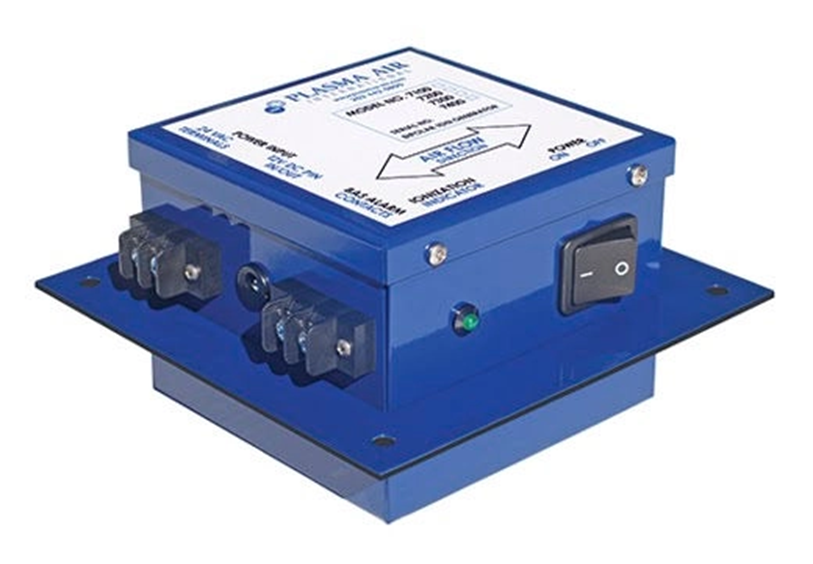
UV-C air purification is an advanced method for eliminating airborne contaminants. This technology uses ultraviolet light to neutralize harmful microorganisms. It is integrated into HVAC systems to continuously treat circulating air. UV-C systems are highly effective in maintaining clean indoor environments. They operate without disrupting normal system functions.
The integration of UV-C technology enhances overall system performance. It reduces the presence of bacteria and viruses in the air. This leads to improved indoor air quality and compliance with safety standards. UV-C systems require proper installation and maintenance for optimal performance. Businesses benefit from a more controlled and cleaner air environment.
- UV-C technology neutralizes airborne pathogens
- Integrated systems provide continuous purification
- Improves overall indoor air quality
- Supports compliance with health standards
Impact of Duct Cleaning on Indoor Air Quality
Duct systems play a significant role in air distribution within commercial buildings. Over time, dust and contaminants can accumulate inside ducts. This buildup affects airflow and reduces air quality. Regular duct cleaning is essential for maintaining system efficiency. Clean ducts ensure that air remains free from pollutants.
Neglected duct systems can circulate contaminated air throughout the building. This increases the risk of poor indoor air quality. Scheduled cleaning helps prevent these issues. It also improves system performance and energy efficiency. Businesses must include duct maintenance as part of their overall HVAC strategy.
- Ducts can accumulate dust and contaminants
- Cleaning improves airflow and efficiency
- Regular maintenance prevents pollution buildup
- Clean ducts support better air quality
HVAC System Upgrades for Better Air Quality
Upgrading HVAC systems is an effective way to improve indoor air quality. Modern systems offer advanced filtration and monitoring capabilities. High-efficiency filters capture smaller particles and improve air cleanliness. Smart technologies allow better control of system performance. These upgrades enhance both efficiency and reliability.
Implementing smart hvac controls provides real-time monitoring of air quality. These systems allow adjustments based on changing conditions. Automation ensures consistent performance without manual intervention. Upgraded systems are better suited for high-traffic environments. Businesses benefit from improved control and reduced operational risks.
- High-efficiency filters improve air purification
- Smart controls enable real-time monitoring
- Automated systems enhance performance
- Upgrades support long-term efficiency
OSHA Guidelines and Compliance for Indoor Air Quality
Compliance with workplace safety standards is essential for commercial buildings. OSHA provides guidelines for maintaining indoor air quality. These guidelines focus on ventilation, contaminant control, and system maintenance. Following these standards ensures a safe working environment. Businesses must align their HVAC systems with these requirements.
Meeting compliance standards also reduces potential risks and liabilities. Proper documentation and regular inspections are important. HVAC systems must be maintained to meet regulatory expectations. Compliance supports both employee health and operational stability. A structured approach ensures long-term adherence to safety guidelines.
- OSHA guidelines define air quality standards
- Compliance ensures workplace safety
- Regular inspections support adherence
- Proper maintenance reduces risks
Best Practices for Maintaining Healthy Indoor Air Quality
Maintaining indoor air quality requires a consistent and proactive approach. Regular inspections help identify potential issues early. Monitoring air quality metrics ensures that systems perform effectively. Businesses must implement structured maintenance plans. These practices help maintain a clean and safe environment.
Specialized systems such as Cold Storage HVAC Solutions require additional attention. These environments demand precise temperature and air quality control. Proper maintenance ensures consistent performance in such spaces. Businesses should invest in reliable systems and professional services. A well-maintained HVAC system supports long-term efficiency.
- Routine inspections prevent system failures
- Monitoring ensures consistent air quality
- Maintenance plans improve system reliability
- Specialized systems require focused attention
Conclusion: Creating Healthier Commercial Spaces Through Air Quality Management
Reducing airborne contaminants in high-traffic commercial spaces requires a comprehensive approach. Businesses must focus on ventilation, filtration, and advanced purification technologies. Proper system design and maintenance ensure consistent air quality. Compliance with safety standards further enhances workplace conditions. A structured strategy helps maintain a healthy environment.
Investing in modern HVAC solutions improves both air quality and operational efficiency. Regular monitoring and maintenance reduce risks and ensure system reliability. Businesses that prioritize air quality benefit from improved performance and safety. Long-term planning supports sustainable operations and compliance.
For professional guidance and customized solutions, contact Armincoair AAI to improve indoor air quality and ensure a healthier commercial environment.