

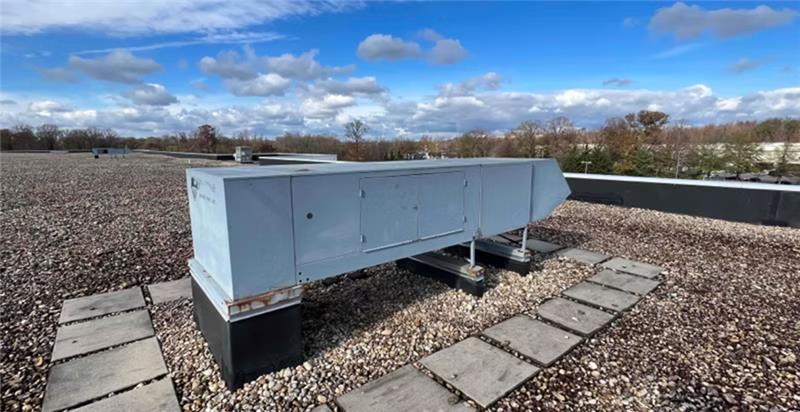
Energy efficiency in commercial HVAC systems is a critical factor for long term performance and cost control. Virginia has a mixed climate with both hot summers and cold winters. This makes HVAC design more complex and requires systems that can adapt to changing conditions. The most energy-efficient HVAC system is one that balances performance, flexibility, and energy consumption. Engineers and developers must evaluate system types based on building size, occupancy, and operational requirements.
An energy-efficient HVAC system reduces energy waste and improves indoor comfort. It also supports sustainability goals and helps meet regulatory standards. The selection process involves analyzing system efficiency ratings and lifecycle costs. Proper system design ensures consistent airflow, temperature control, and reduced energy bills. A well-planned HVAC system also minimizes maintenance issues over time.
- Energy efficiency reduces operational costs
- Proper system design improves indoor air quality
- High-efficiency systems support sustainability goals
- Optimized HVAC systems enhance building performance
Understanding Commercial HVAC Load Calculation
HVAC load calculation is the foundation of any efficient system design. It determines how much heating and cooling a building requires to maintain comfort. Without accurate calculations, systems may be oversized or undersized. Both scenarios lead to energy inefficiency and higher costs. Engineers use load calculations to ensure proper system selection and performance.
Several factors influence HVAC load requirements. These include building orientation, insulation, occupancy levels, and external weather conditions. Internal heat gains from equipment and lighting also play a role. A precise calculation ensures the HVAC system operates at optimal capacity. This leads to better energy efficiency and consistent indoor conditions.
- Building size and layout impact load requirements
- Occupancy levels influence cooling and heating demand
- Climate conditions affect system performance
- Accurate calculations prevent energy wastage
Top Energy-Efficient HVAC Systems for Virginia Commercial Buildings
Selecting the right HVAC system is essential for achieving energy efficiency. Different systems offer varying levels of performance and flexibility. The choice depends on the specific needs of the building and its usage patterns. Modern HVAC technologies provide advanced features that improve efficiency and control.
hvac installation plays a key role in system performance. Proper installation ensures that the system operates as designed. Even the most efficient system can underperform if installation is not done correctly. Engineers must focus on both system selection and execution.
- Variable Refrigerant Flow systems offer flexible temperature control
- High-efficiency rooftop units are suitable for medium-sized buildings
- Chilled water systems work well for large facilities
- Hybrid systems combine multiple technologies for better efficiency
These systems are designed to reduce energy consumption while maintaining comfort. They also provide scalability for future expansion. Choosing the right system requires a balance between cost, efficiency, and operational needs.
Role of SEER Ratings in Commercial HVAC Efficiency
SEER ratings measure the efficiency of HVAC systems. A higher SEER rating indicates better energy performance. Commercial systems often require higher efficiency levels due to larger operational demands. Understanding SEER ratings helps in selecting the right equipment.
SEER ratings also impact long term energy costs. Systems with higher ratings may have higher upfront costs but offer significant savings over time. Engineers must evaluate both initial investment and operational efficiency. This ensures a balanced approach to system selection.
- Higher SEER ratings improve energy efficiency
- Efficient systems reduce electricity consumption
- Long term savings offset initial investment
- SEER ratings help compare different systems
Energy Modeling in HVAC System Design
Energy modeling is a critical step in modern HVAC design. It involves simulating building performance under different conditions. This helps engineers predict energy consumption and optimize system design. Advanced software tools are used to create accurate models.
Energy modeling provides valuable insights into system performance. It allows engineers to test different scenarios and select the most efficient solution. This approach reduces risks and improves decision-making. It also supports compliance with energy regulations.
- Energy modeling improves design accuracy
- Simulation helps identify efficiency opportunities
- Predictive analysis reduces operational risks
- Optimized designs lead to better ROI
Mechanical Engineering Considerations in HVAC Design
Mechanical engineering plays a central role in HVAC system design. It involves planning airflow, duct systems, and equipment placement. Proper design ensures efficient operation and minimal energy loss. Engineers must consider multiple factors to achieve optimal performance.
Duct design is essential for maintaining consistent airflow. Poorly designed ducts can lead to pressure losses and reduced efficiency. Equipment sizing is another critical factor. Systems must be properly sized to match the building load. Smart controls and automation further enhance system performance.
- Proper duct design improves airflow efficiency
- Equipment sizing ensures optimal performance
- Smart controls enhance system automation
- Integrated design reduces energy loss
Cost vs Efficiency: Understanding ROI of Energy-Efficient HVAC Systems
Balancing cost and efficiency is a key challenge in HVAC design. High-efficiency systems often require higher initial investment. However, they provide long term savings through reduced energy consumption. Understanding ROI helps in making informed decisions.
Lifecycle cost analysis is an important tool for evaluating HVAC systems. It considers installation, operation, and maintenance costs over time. This approach provides a complete picture of system value. Developers and engineers can use this data to select the best solution.
hvac repair also impacts overall system efficiency. Regular maintenance ensures that systems operate at peak performance. It reduces downtime and extends equipment lifespan. A well-maintained system delivers consistent energy savings.
- Efficient systems reduce long term operational costs
- Lifecycle analysis provides better financial insights
- Maintenance improves system performance
- ROI depends on both cost and efficiency
Best Practices for Designing Energy-Efficient HVAC Systems
Designing an energy-efficient HVAC system requires careful planning and execution. Engineers must consider all aspects of the building and its usage. Early collaboration between stakeholders improves design outcomes. This ensures that the system meets both performance and efficiency goals.
Choosing the right equipment is essential for achieving efficiency. Advanced technologies offer better control and energy savings. Regular maintenance and system optimization further enhance performance. Continuous monitoring helps identify issues and improve efficiency.
- Early planning improves system design
- Advanced equipment enhances efficiency
- Regular maintenance ensures optimal performance
- Monitoring helps identify improvement areas
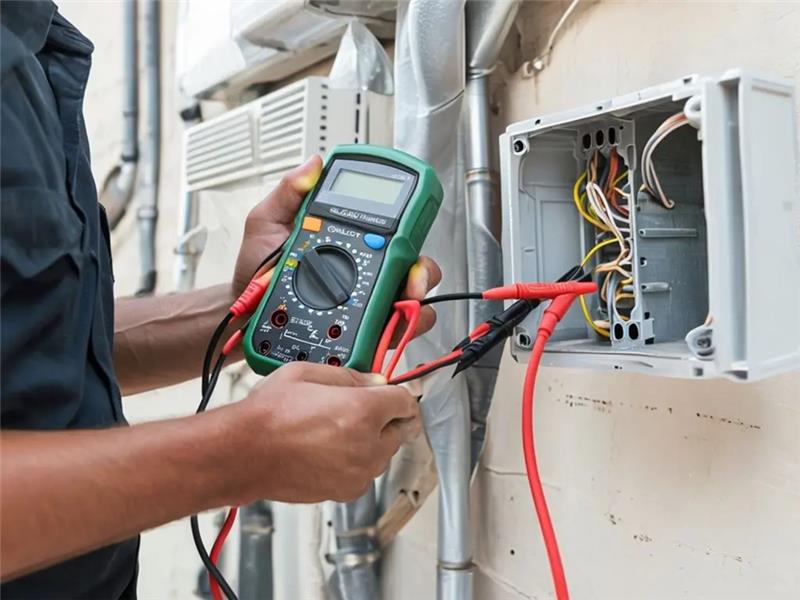
Conclusion: Choosing the Right HVAC System for Maximum Efficiency
Selecting the most energy-efficient HVAC system for commercial buildings in Virginia requires a comprehensive approach. Engineers must consider climate conditions, building requirements, and system performance. Proper load calculation and system selection are essential for achieving efficiency. Energy modeling and mechanical design further enhance system performance.
A balanced focus on cost and efficiency ensures long term value. High-efficiency systems provide significant energy savings over time. Regular maintenance and optimization maintain system performance. Businesses can achieve sustainability goals while reducing operational costs.
For expert guidance and customized solutions, contact Armincoair AAI to design and implement high-performance HVAC systems tailored to your needs.