

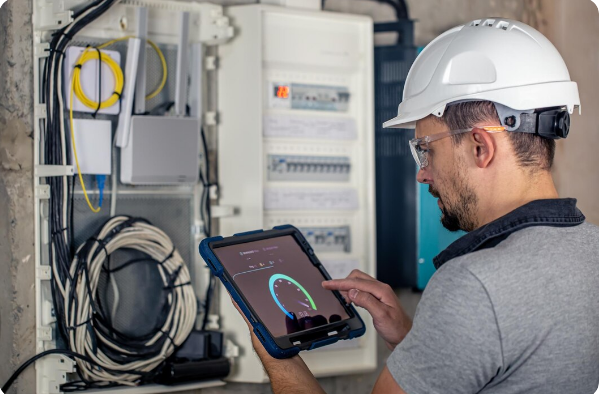
Commercial buildings today are becoming increasingly dependent on intelligent technologies to improve efficiency, reduce operational costs, and enhance occupant comfort. One of the most significant advancements in building management is the implementation of a smart HVAC control system. These advanced systems use sensors, automation, analytics, and cloud connectivity to optimize heating, ventilation, and air conditioning operations in real time.
Unlike traditional HVAC systems that operate based on fixed schedules, smart hvac controls continuously monitor building conditions and automatically adjust performance based on occupancy, temperature, humidity, and energy demand. This results in better comfort levels, lower utility bills, and improved equipment performance.
Businesses looking to modernize their facilities often invest in smart controls hvac solutions to gain greater control over energy consumption and indoor environmental conditions.
Why Smart HVAC Controls Matter
Smart HVAC technology is transforming how commercial facilities operate. By combining automation with data-driven decision-making, these systems help businesses create healthier, more productive indoor environments while reducing operational expenses.
Key benefits include:
Reduced energy waste and utility costs.
Improved occupant comfort and satisfaction.
Better visibility into HVAC system performance.
Key Components of a Smart HVAC Control System
A smart HVAC control system consists of multiple interconnected technologies that work together to maximize efficiency and building performance. Each component contributes valuable data and functionality that helps optimize HVAC operations. Understanding these components can help businesses make informed decisions when upgrading their systems.
Sensors and Monitoring Devices
Sensors serve as the eyes and ears of a smart HVAC system. They continuously collect data related to temperature, humidity, occupancy, carbon dioxide levels, and indoor air quality. This information allows the system to make intelligent adjustments based on real-time conditions rather than relying on outdated schedules.
Because sensors provide continuous feedback, facility managers gain a clearer understanding of how different areas of the building are being used. This enables more efficient climate control and better resource allocation.
Key functions include:
Detecting occupancy and room usage patterns.
Monitoring temperature and humidity levels.
Tracking indoor air quality conditions.
Smart Thermostats
Smart thermostats provide advanced control capabilities that go far beyond traditional temperature settings. These devices can learn occupancy trends, adapt schedules automatically, and communicate with other building systems. They also offer remote access through mobile apps and cloud platforms.
For commercial buildings, smart thermostats help maintain consistent comfort levels while reducing unnecessary energy consumption. Their ability to respond dynamically to changing conditions makes them a valuable component of modern HVAC infrastructure.
Benefits include:
Remote monitoring and adjustments.
Customized scheduling and automation.
Energy-saving optimization features.
Building Management Systems (BMS)
A Building Management System acts as the central hub for controlling and monitoring building operations. It integrates HVAC equipment with lighting, security, energy management, and other systems. This centralized approach allows facility managers to oversee all building functions from a single platform.
A BMS improves operational efficiency by providing real-time insights, automated reporting, and proactive system management. It also helps identify inefficiencies before they become costly problems.
Common features include:
Centralized HVAC management.
Real-time performance dashboards.
Automated alerts and reporting.
Cloud-Based Analytics Platforms
Cloud-based platforms bring powerful analytics capabilities to commercial HVAC operations. By storing and processing large amounts of operational data, these systems help businesses identify opportunities for efficiency improvements. They can also provide predictive maintenance insights that reduce downtime and repair costs.
Facility managers can access system information from virtually anywhere, enabling better decision-making and faster responses to operational issues.
Advantages include:
Predictive maintenance alerts.
Energy consumption tracking.
Remote access and monitoring.
How Smart HVAC Controls Work in Commercial Buildings
Smart HVAC controls function through a continuous cycle of monitoring, analyzing, and adjusting system operations. Data collected from sensors is processed by intelligent software that determines the most efficient way to maintain desired indoor conditions.
The result is a responsive HVAC system that automatically adapts to changes in occupancy, weather, and building usage.
Data Collection and Analysis
The first step in smart HVAC operation is gathering information from throughout the building. Sensors monitor environmental conditions and send data to a central control platform. This information is analyzed to identify trends, patterns, and opportunities for optimization.
Advanced systems can even compare current performance against historical data to improve efficiency over time.
Important data sources include:
Occupancy levels.
Temperature fluctuations.
Indoor air quality metrics.
Automated HVAC Adjustments
Once data is analyzed, the system automatically adjusts HVAC operations to meet current building requirements. These adjustments may involve changing airflow rates, modifying temperature settings, or increasing ventilation when occupancy rises.
Automation helps eliminate energy waste while maintaining comfortable indoor environments for employees, customers, and visitors.
Examples include:
Reducing conditioning in unoccupied spaces.
Adjusting temperatures based on demand.
Optimizing airflow throughout the building.
Real-Time Monitoring and Remote Access
Modern smart HVAC controls provide facility managers with real-time visibility into system performance. Through web-based dashboards and mobile applications, users can monitor conditions, review reports, and make adjustments remotely.
This level of accessibility improves response times and helps maintain optimal building performance.
Key capabilities include:
Instant system alerts.
Remote troubleshooting.
Performance analytics and reporting.
Benefits of Smart HVAC Controls for Businesses
Businesses are increasingly adopting smart HVAC technologies because they deliver measurable improvements in efficiency, comfort, and cost management. These systems help organizations create better indoor environments while supporting long-term sustainability goals.
Companies implementing Building controls Sterling VA solutions often experience significant operational benefits.
Improved Energy Efficiency
Energy efficiency is one of the primary reasons organizations invest in smart HVAC systems. Automated controls ensure that equipment operates only when needed and at the most efficient settings possible.
This approach helps businesses lower energy consumption without sacrificing comfort.
Benefits include:
Reduced utility expenses.
Lower carbon footprint.
Enhanced sustainability performance.
Enhanced Indoor Comfort
Maintaining consistent indoor conditions is essential for employee productivity and customer satisfaction. Smart HVAC systems continuously adjust operations to provide balanced temperatures and improved airflow.
These systems respond quickly to changing conditions, helping eliminate discomfort caused by temperature fluctuations.
Advantages include:
Consistent indoor temperatures.
Improved occupant satisfaction.
Better workplace productivity.
Reduced Maintenance Costs
Continuous monitoring enables facility teams to identify potential issues before they lead to costly breakdowns. Early detection allows for proactive maintenance and minimizes unexpected downtime.
Organizations can reduce repair expenses while improving equipment reliability.
Benefits include:
Fewer emergency repairs.
Lower maintenance costs.
Improved operational continuity.
Better Equipment Lifespan
By operating more efficiently and avoiding unnecessary strain, smart HVAC systems help extend the life of critical equipment. This reduces replacement costs and maximizes return on investment.
Key outcomes include:
Longer equipment life.
Improved reliability.
Reduced capital expenditures.
Conclusion
A smart hvac control system is transforming how commercial buildings manage heating, cooling, and ventilation. By leveraging automation, real-time monitoring, and data-driven decision-making, businesses can reduce operating costs, improve occupant comfort, and enhance sustainability performance.
Whether you’re upgrading an existing system or planning a new facility, smart HVAC technology provides long-term value and operational efficiency. For businesses seeking additional support, combining advanced controls with reliable maintenance programs and access to emergency hvac service ensures uninterrupted performance when it matters most.
Ready to optimize your building’s HVAC performance? Contact Us today to learn more about customized smart HVAC solutions for your commercial property.
Frequently Asked Questions
1. What is a smart HVAC control system?
A smart HVAC control system uses sensors, software, and automation technologies to monitor and manage heating, cooling, and ventilation systems more efficiently in commercial buildings.
2. How do smart HVAC controls reduce energy costs?
Smart HVAC controls automatically adjust system performance based on occupancy, weather conditions, and indoor environmental data, reducing unnecessary energy consumption.
3. Can smart HVAC controls be added to existing commercial HVAC systems?
Yes. Many smart HVAC control solutions can be retrofitted to existing systems, allowing businesses to gain advanced functionality without replacing all equipment.
4. Are smart HVAC controls suitable for small commercial buildings?
Absolutely. Smart controls can benefit buildings of all sizes by improving energy efficiency, comfort, and operational visibility.
5. How do smart controls improve indoor air quality?
Smart controls monitor air quality conditions and can automatically adjust ventilation rates or integrate with purification technologies to maintain healthier indoor environments.