

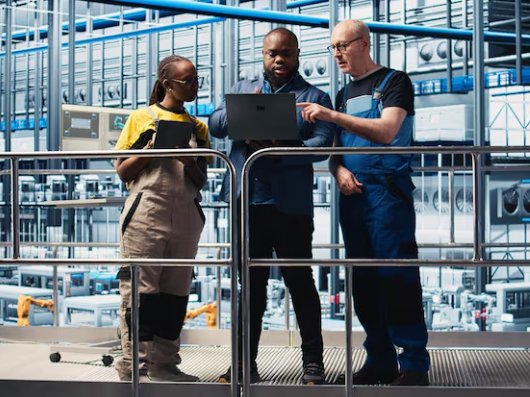
A commercial HVAC system plays a major role in maintaining comfortable indoor temperatures, supporting productivity, and protecting business operations. However, like any mechanical equipment, HVAC systems experience wear and tear over time. Business owners often face the challenge of deciding whether to continue repairing an aging system or invest in a complete replacement.
Choosing between repair and replacement requires evaluating factors such as system age, repair frequency, energy efficiency, and long-term operating costs. A professional assessment can help determine the most practical solution for your commercial property.
Businesses considering a new system can benefit from professional commercial hvac installation services designed to improve comfort, efficiency, and reliability.
Why Commercial HVAC Decisions Matter
HVAC systems represent a significant investment for businesses. Making the wrong decision can lead to higher expenses, frequent breakdowns, and uncomfortable working conditions.
A well-maintained system can operate effectively for years, but outdated equipment may eventually become inefficient and expensive to maintain.
Repair vs Replacement: Making the Right Choice
Repairing an HVAC system may be suitable when the issue is minor or the equipment is relatively new. However, replacement may provide better value when repairs become frequent or the system no longer meets business needs.
Professional HVAC specialists can evaluate system performance and recommend the best option.
Signs Your Commercial HVAC System May Need Replacement
Recognizing the warning signs of HVAC failure helps business owners make informed decisions before major problems occur. Ignoring system issues can result in unexpected downtime and increased operating expenses.
An experienced HVAC professional can identify whether repairs will provide a temporary fix or whether replacement is the more cost-effective option.
Working with an experienced hvac contractor Sterling allows businesses to receive accurate evaluations and recommendations based on their specific HVAC requirements.
Frequent Repairs and Increasing Maintenance Costs
One of the biggest indicators that replacement may be necessary is the increasing frequency of repairs. When repair costs continue to rise, investing in a new system may provide better long-term savings.
Constant maintenance expenses can become more expensive than upgrading to modern equipment.
Aging HVAC Equipment
Most commercial HVAC systems have a limited operational lifespan. As systems become older, components wear out, efficiency decreases, and repair availability may become more challenging.
Older equipment may struggle to maintain consistent temperatures and require more frequent service.
Poor Indoor Comfort and Uneven Temperatures
A failing HVAC system may create inconsistent temperatures throughout a commercial building. Employees and customers may experience areas that are too warm, too cold, or uncomfortable.
Poor comfort levels often indicate that the system is no longer operating effectively.
Factors to Consider Before Replacing a Commercial HVAC System
Replacing a commercial HVAC system requires careful planning and evaluation. Business owners should consider several factors before deciding on a new installation.
A professional assessment helps determine whether replacement provides better value compared to continuing repairs.
Age and Condition of the Existing System
The age of an HVAC system is one of the most important considerations. Older systems often become less efficient and require more frequent maintenance.
If major components begin failing, replacement may be the smarter financial decision.
Energy Efficiency Improvements
Modern HVAC systems are designed with advanced technology that improves energy performance. Upgrading can help businesses reduce energy consumption and lower monthly utility expenses.
Improved efficiency also supports long-term operational savings.
Availability of Replacement Parts
Older HVAC systems may become difficult to repair because replacement parts are harder to find. This can increase repair timelines and costs.
Newer systems typically offer better support and easier maintenance options.
Benefits of Hiring Professional HVAC Installation Contractors
Installing a new commercial HVAC system requires technical knowledge, proper planning, and professional expertise. Incorrect installation can reduce system efficiency and create future problems.
Working with qualified professionals ensures equipment is installed correctly and performs according to manufacturer specifications.
Choosing experienced hvac installation contractors helps businesses receive reliable installation services and long-term HVAC performance.
Proper System Sizing and Selection
Commercial HVAC systems must be properly sized based on building requirements. A system that is too small may struggle to maintain comfort, while an oversized system may waste energy.
Professional contractors evaluate building layout, usage, and cooling requirements before recommending equipment.
Improved System Performance
Professional installation helps ensure all components work together effectively. Proper setup improves efficiency, reliability, and overall system performance.
A correctly installed HVAC system also reduces the risk of future issues.
Compliance With Safety Standards
Commercial HVAC installations must follow industry guidelines and safety requirements. Professional contractors understand these standards and complete installations accordingly.
This helps businesses maintain safe and efficient operations.
Cost Comparison: Repairing vs Replacing a Commercial HVAC System
Understanding the financial impact of repair and replacement helps businesses make smarter decisions. While repairs may seem more affordable initially, repeated service costs can add up over time.
Replacement requires a larger upfront investment but may provide better long-term value through improved efficiency and reliability.
Costs Associated With HVAC Repairs
Repairs can vary depending on the issue, required parts, and labor involved. Minor repairs may be affordable, but major component failures can become expensive.
Frequent repairs may indicate that the system is approaching the end of its useful life.
Long-Term Savings From Replacement
A new HVAC system can reduce operating costs by improving energy efficiency and minimizing repair expenses. Modern systems often include advanced features that improve performance.
Businesses should consider long-term savings rather than focusing only on immediate costs.
Factors That Influence Replacement Costs
Several factors affect the total cost of a new HVAC system, including:
Building size and HVAC requirements
Equipment type and efficiency rating
Installation complexity
Additional upgrades or controls
Understanding Commercial HVAC System Installation Options
A new HVAC installation provides businesses with an opportunity to improve comfort, efficiency, and system reliability. Choosing the right equipment and installation approach ensures the system meets current and future needs.
Professional planning helps businesses select solutions that provide maximum value.
Businesses looking for reliable upgrades can explore commercial hvac system installation services designed for modern commercial properties.
Choosing the Right HVAC Equipment
Different commercial buildings require different HVAC solutions. Factors such as building size, occupancy levels, and operating schedules influence equipment selection.
Professionals help businesses choose systems that match their specific requirements.
Benefits of Modern HVAC Technology
New HVAC systems often include advanced features that improve performance and efficiency. These technologies help businesses maintain better indoor environments while controlling operating costs.
Upgrading can provide improved comfort and greater system reliability.
Planning for Future Business Needs
A replacement HVAC system should support future business growth. Proper planning ensures the system can handle changing requirements and increased demand.
Professional installation creates a foundation for long-term performance.
How Regular HVAC Maintenance Extends System Lifespan
Even a new commercial HVAC system requires regular maintenance to perform effectively. Preventive maintenance protects the investment and helps identify potential problems before they become serious.
Routine service improves efficiency and reduces unexpected breakdowns.
Preventive Maintenance Benefits
Regular HVAC inspections help keep systems operating smoothly. Maintenance allows technicians to clean components, check performance, and address minor issues early.
Reducing Emergency Repairs
Scheduled maintenance reduces the risk of sudden failures. Businesses can avoid unexpected interruptions and maintain comfortable working environments.
Improving Energy Efficiency
A properly maintained HVAC system uses energy more efficiently. This helps businesses reduce costs while maintaining consistent indoor comfort.
Common Mistakes Businesses Make When Replacing HVAC Systems
Replacing a commercial HVAC system requires careful decision-making. Avoiding common mistakes helps businesses achieve better results and maximize their investment.
Choosing Equipment Based Only on Price
The cheapest system may not always provide the best value. Businesses should consider efficiency, reliability, and long-term operating costs.
Ignoring Professional Installation
Even high-quality HVAC equipment can perform poorly if installed incorrectly. Professional installation is essential for system efficiency and reliability.
Delaying Replacement Decisions
Waiting too long can lead to expensive repairs and unexpected breakdowns. Planning replacement before complete system failure allows businesses to make better decisions.
FAQ
How do I know if my commercial HVAC system needs replacement?
Frequent repairs, rising energy costs, inconsistent temperatures, and an aging system are common signs that replacement may be needed.
How long does a commercial HVAC system usually last?
The lifespan depends on equipment type, maintenance quality, and usage. Many commercial systems operate effectively for many years with proper care.
Is replacing an HVAC system better than repairing it?
Replacement may be better when repair costs become high, efficiency decreases, or the system is outdated. A professional evaluation can help determine the best option.
How long does commercial HVAC installation take?
Installation time depends on system size, building requirements, and project complexity. Professional contractors can provide a timeline based on the specific installation.
Conclusion
Choosing between repairing and replacing a commercial HVAC system requires careful evaluation of performance, costs, and future needs. While repairs may solve short-term problems, a new installation can provide improved efficiency, reliability, and long-term savings.
Working with experienced HVAC professionals ensures businesses receive the right recommendations and high-quality installation services. If your commercial property needs expert HVAC guidance or a system upgrade, contact us today to discuss the best solution for your building.