

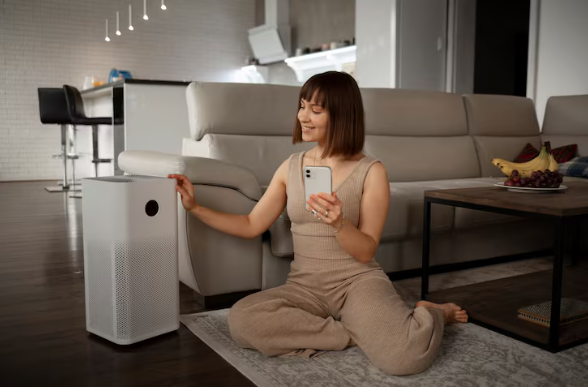
Indoor air quality has become a critical concern in homes and offices alike. As we spend most of our time indoors, the quality of the air we breathe directly affects our health, productivity, and overall well-being. Investing in indoor air quality systems ensures cleaner air, reduces allergens, and promotes a healthier environment. In 2026, prioritizing air quality is no longer optional; it is essential for anyone looking to maintain a safe and comfortable indoor environment.
Understanding Indoor Air Quality
What is Indoor Air Quality?
Indoor air quality, or IAQ, refers to the condition of the air inside buildings and homes. Poor air quality can contain pollutants such as dust, allergens, mold spores, volatile organic compounds, and airborne bacteria. Monitoring and managing IAQ is crucial to prevent long-term health effects and maintain a comfortable living or working space.
Common Indoor Air Pollutants
Indoor air can contain various pollutants that often go unnoticed. Common pollutants include:
- Dust and particulate matter
- Mold and mildew spores
- Chemical pollutants from cleaning products or building materials
- Allergens such as pollen and pet dander
- Bacteria and viruses
These pollutants can accumulate over time, making it essential to adopt effective air purification strategies.
How IAQ Affects Health?
Poor indoor air quality can impact respiratory health, trigger allergies, and increase fatigue. Prolonged exposure to pollutants may lead to chronic health conditions. For office environments, low air quality can reduce productivity and increase absenteeism. Prioritizing IAQ ensures that everyone benefits from cleaner, healthier air and reduces risks associated with poor indoor conditions.
Indoor Air Quality Systems: Key Solutions
Investing in advanced indoor air quality systems can significantly improve indoor air. These systems include air purifiers, HVAC filtration, and testing tools designed to remove pollutants and maintain optimal air quality.
Air Purifiers for Offices and Homes
Air purifiers are essential for reducing airborne particles and allergens. High-efficiency filters, such as HEPA filters, capture fine dust, pollen, and other contaminants. Some purifiers also feature activated carbon layers to remove odors and chemical pollutants. Proper placement of purifiers ensures maximum coverage and consistent air cleaning throughout the space.
Benefits of Air Purifiers Include:
- Reduction of allergens and dust
- Cleaner and fresher indoor air
- Improved respiratory health
- Support for HVAC systems by reducing particulate buildup
HVAC Filtration Systems
HVAC systems play a crucial role in maintaining indoor air quality. Installing high-quality filters such as MERV or HEPA in HVAC systems helps trap dust, pollen, and other pollutants before they circulate indoors. Regular maintenance of these filters ensures the system operates efficiently while improving the air quality for occupants.
For businesses, investing in sterling HVAC solutions can enhance office comfort, reduce sick days, and create a healthier work environment. Clean HVAC systems also contribute to energy efficiency, reducing operational costs over time.
IAQ Testing and Monitoring
Regular IAQ testing is vital to identify pollutant levels and assess system performance. Monitoring tools can detect dust, mold spores, VOCs, and humidity levels. Professional inspections provide actionable insights to maintain a consistent level of indoor air quality, ensuring that interventions like air purifiers or HVAC upgrades are effective.
Smart HVAC Controls
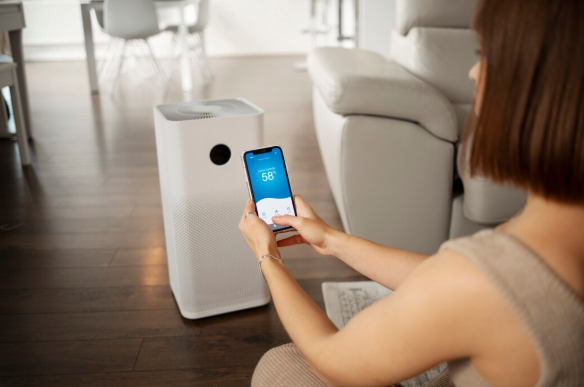
Integrating smart HVAC controls allows real-time monitoring of indoor air quality and automatic adjustments. These systems optimize airflow, temperature, and filtration, ensuring efficient operation while maintaining ideal indoor conditions. Smart controls also reduce energy consumption, offering both environmental and financial benefits.
Choosing the Right System for Your Space
Selecting the right indoor air quality system requires careful consideration. Factors include:
- Size of the space
- Number of occupants
- Type and level of pollutants
- Energy efficiency requirements
- Maintenance needs
For homes, simple air purifiers and MERV filters may be sufficient. In offices or larger facilities, comprehensive HVAC upgrades and smart controls provide enhanced performance and reliability. Investing in the right system ensures long-term health benefits and optimal air quality.
Benefits of Clean Air in 2026
Clean indoor air offers several key advantages for health, productivity, and operational efficiency.
- Health Benefits
Maintaining good indoor air quality reduces allergens, dust, and airborne pollutants. This helps alleviate respiratory discomfort, minimize allergy triggers, and support overall wellness. Healthy air is particularly important for sensitive individuals or those with chronic respiratory conditions.
- Productivity and Comfort
For office spaces, clean air directly affects focus and productivity. Reducing airborne irritants creates a more comfortable working environment and supports employee well-being. Comfortable indoor air also enhances concentration, morale, and overall workplace satisfaction.
- Long-term Cost Savings
Maintaining indoor air quality systems prevents excessive wear on HVAC units, reducing repair costs. Efficient filtration and purification also lower energy consumption, resulting in long-term cost savings. Investing in quality systems today ensures a reliable and effective indoor environment for years to come.
Tips for Maintaining Excellent Indoor Air Quality
Regular maintenance and proactive measures are essential to sustain high indoor air quality.
- Replace HVAC and air purifier filters on a recommended schedule
- Monitor humidity levels to prevent mold and mildew
- Use safe cleaning products that do not release harmful chemicals
- Ensure proper ventilation in all rooms
- Schedule professional IAQ inspections periodically
Consistent care and monitoring allow you to maximize the benefits of your indoor air quality systems and maintain a healthy environment.
Conclusion
In 2026, indoor air quality has become more important than ever for both homes and offices. By investing in indoor air quality systems, upgrading sterling HVAC systems, and implementing smart HVAC controls, you can significantly improve health, comfort, and productivity. Clean air protects your well-being, reduces allergens, and enhances efficiency. For professional guidance or to explore available solutions, do not hesitate to contact Armincoair AAI.