

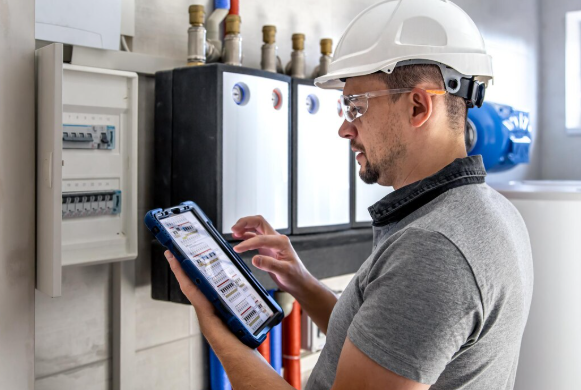
Facility managers face the challenge of maintaining indoor comfort while controlling energy costs. Advanced HVAC automation systems provide a solution by integrating sensors, programmable thermostats, and zoning controls. Investing in HVAC automation benefits ensures precise temperature control, energy savings, and efficient system operation. In 2026, automated HVAC solutions are essential for optimizing indoor climate, reducing operational costs, and improving occupant comfort in commercial buildings.
Understanding HVAC Automation
What is HVAC Automation?
HVAC automation refers to the use of technology to manage heating, ventilation, and air conditioning systems automatically. These systems use sensors, programmable thermostats, and centralized controls to monitor and adjust temperature, humidity, and airflow in real-time. Automation allows buildings to operate efficiently without requiring constant manual intervention, which is particularly beneficial for commercial and office environments.
Key Components of HVAC Automation
Modern automated HVAC systems rely on several essential components:
- Zoning systems that divide spaces into controlled areas
- Sensor-based HVAC to detect occupancy, temperature, and humidity
- Programmable thermostats for scheduled heating and cooling
- Centralized control systems for monitoring and adjustments
These components work together to maintain a comfortable environment while optimizing energy usage and system performance.
Benefits for Facility Managers
Automated HVAC systems offer multiple advantages for facility managers:
- Consistent indoor comfort for occupants
- Lower energy consumption and operational costs
- Predictive maintenance to prevent system failures
- Increased system reliability and performance
The integration of these benefits supports better building management and operational efficiency.
How HVAC Automation Works?
Sensor-Based Climate Control
Sensor-based HVAC systems continuously monitor conditions within a building. Sensors detect occupancy, temperature variations, and humidity levels, allowing automated adjustments to maintain optimal comfort. This approach ensures that energy is only used when necessary, reducing waste and improving efficiency.
Advantages of Sensor-Based Systems Include:
- Immediate response to occupancy changes
- Energy-efficient operations
- Consistent indoor temperature and humidity
- Enhanced occupant comfort
Zoning Systems
Zoning systems divide a building into multiple areas that can be controlled independently. Each zone can have customized temperature settings based on occupancy and usage patterns. Zoning reduces energy waste by conditioning only the areas that are in use, rather than the entire building at once.
Programmable Thermostats
Programmable thermostats allow facility managers to schedule HVAC operations according to building occupancy. By automating temperature changes throughout the day, these devices reduce unnecessary energy use. Scheduled control improves comfort during working hours while saving energy during off-peak times.
Office Climate Control
Integrating HVAC automation with office climate control solutions ensures consistent and comfortable indoor conditions. Centralized controls allow adjustments across multiple zones while maintaining energy efficiency. Office climate control systems enhance productivity and create a comfortable working environment for occupants.
Energy and Cost Benefits
Reduced Energy Consumption
Automated HVAC systems adjust heating and cooling operations based on real-time conditions, which prevents energy waste. Systems operate efficiently, avoiding unnecessary heating or cooling in unoccupied areas. Optimized energy use results in measurable savings for commercial buildings.
Lower Operational Costs
Properly maintained automated HVAC systems reduce repair expenses and minimize system downtime. By implementing automated controls, buildings experience fewer breakdowns and lower maintenance requirements. Predictive maintenance features also allow facility managers to address potential issues before they escalate.
ROI and Long-Term Savings
The combination of energy savings, reduced maintenance, and improved system performance contributes to a strong return on investment. Buildings equipped with automated HVAC systems benefit from lower operational costs over time, providing financial advantages alongside enhanced occupant comfort.
Integration with Air Quality and Maintenance Services
Maintaining indoor air quality is a critical aspect of HVAC management. Automated HVAC systems can work in conjunction with local hvac repair services to ensure equipment is functioning correctly and efficiently. Regular maintenance, including inspections and repairs, ensures that automated systems continue to deliver optimal comfort and energy savings. Integration with air purification solutions can also improve indoor air quality, creating a healthier environment for building occupants.
Choosing the Right HVAC Automation System
Selecting the right automation system depends on factors such as:
- Building size and layout
- Existing HVAC infrastructure
- Energy efficiency goals
- Budget and return on investment
- Compatibility with sensors, programmable thermostats, and zoning systems
Professional consultation helps determine the best solution. Proper installation ensures that the system operates effectively, maximizes energy efficiency, and provides long-term comfort for occupants.
Tips for Implementing HVAC Automation
Facility managers can maximize the benefits of HVAC automation with these strategies:
- Conduct a building assessment to identify energy-saving opportunities
- Select the appropriate sensors, zoning systems, and thermostats
- Schedule regular inspections and maintenance
- Calibrate automated settings to meet building requirements
- Integrate automation with existing HVAC automation benefits for optimal performance
Consistent monitoring and proactive management ensure the system continues to deliver comfort, efficiency, and savings over time.
Conclusion
HVAC automation provides facility managers with a powerful tool for maintaining indoor comfort while reducing costs. Implementing sensor-based systems, zoning controls, and programmable thermostats ensures energy efficiency and improved occupant satisfaction. For commercial buildings, automated HVAC systems combined with professional maintenance and air quality management offer reliable and cost-effective solutions. For guidance, installation, and support, businesses should contact Armincoair AAI for tailored HVAC automation solutions.
FAQs
- What are the benefits of HVAC automation?
HVAC automation improves indoor comfort, reduces energy use, lowers operational costs, and enhances system reliability. - How do zoning systems save energy?
Zoning systems divide a building into multiple areas and condition only the spaces that are in use, reducing energy waste. - Can programmable thermostats really reduce costs?
Yes, scheduling HVAC operations based on occupancy prevents unnecessary heating or cooling and reduces utility bills. - Why is maintenance important for automated HVAC systems?
Regular maintenance ensures sensors, thermostats, and controls function properly, preventing breakdowns and maintaining energy efficiency. - Is professional installation necessary for HVAC automation?
Professional installation guarantees optimal system performance, proper integration with existing infrastructure, and long-term reliability.