

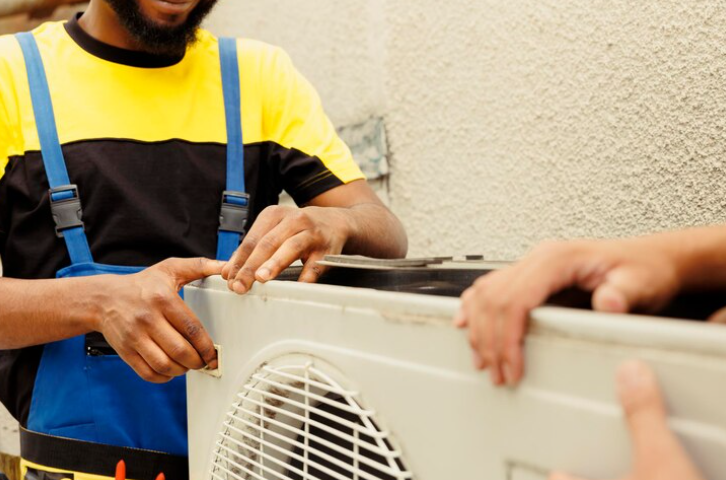
Proper HVAC maintenance supports efficiency, reliability, and safety in commercial environments. Office buildings and industrial facilities depend on consistent heating, cooling, and ventilation to maintain productivity and compliance. Without structured service planning, systems can lose efficiency and experience premature wear. Investing in professional HVAC Repair & Maintenance helps businesses protect critical infrastructure and control long term operating costs.
Commercial HVAC systems are complex and operate under demanding conditions. Large air handlers, rooftop units, chillers, and ventilation components must function together seamlessly. Routine service ensures that small performance issues do not escalate into major failures. This guide outlines best practices for maintaining HVAC systems in both office and industrial settings.
Why Preventive HVAC Maintenance Matters
Preventive maintenance is essential for extending equipment lifespan and maintaining operational stability. Commercial systems often run for extended hours, which increases mechanical stress. Without scheduled inspections, minor issues can develop into costly breakdowns. Maintenance improves airflow, stabilizes temperature control, and enhances overall system efficiency.
A structured maintenance program reduces unexpected downtime and emergency repair costs. It also ensures compliance with safety standards and energy regulations. Businesses that prioritize preventive care experience fewer disruptions and better long term performance. Engaging professional commercial HVAC maintenance services provides consistent oversight and detailed system tracking.
Core Commercial HVAC Maintenance Best Practices
Successful maintenance strategies focus on proactive inspection and performance monitoring. These best practices apply to both office and industrial environments, though frequency may vary depending on system demand. Implementing routine service intervals improves reliability and protects investment value.
Key maintenance best practices include:
- Scheduled system inspections
- Routine filter replacement
- Performance testing of heating and cooling output
- Calibration of thermostats and control systems
- Inspection of electrical connections and safety components
Regular inspections allow technicians to identify worn belts, loose connections, or airflow restrictions early. Filter replacement improves indoor air quality and prevents strain on mechanical components. Performance testing confirms that the system operates within manufacturer specifications. Control calibration ensures accurate temperature regulation throughout the building.
Electrical system checks protect against unexpected shutdowns caused by faulty wiring or control failures. Maintaining clear documentation of service history also supports long term planning and budgeting. Together, these best practices create a stable and efficient operating environment.
Office Building Maintenance Considerations
Office buildings typically prioritize comfort, air quality, and consistent temperature control. HVAC systems in these environments must respond to fluctuating occupancy levels throughout the day. Conference rooms, open workspaces, and private offices may require separate zoning adjustments. Routine inspections help ensure balanced airflow across all zones.
Maintenance for office facilities often includes duct inspections and ventilation performance checks. Clean ducts promote healthier indoor air and reduce allergen buildup. Thermostat calibration ensures accurate climate control without unnecessary energy consumption. A well maintained office HVAC system supports productivity and employee comfort year round.
Energy efficiency remains a key focus for office building owners. Regular servicing ensures that cooling and heating equipment operate at optimal capacity. By maintaining steady performance, businesses can reduce monthly utility expenses and improve long term cost predictability.
Industrial Facility Maintenance Requirements
Industrial environments place greater demands on HVAC systems. Equipment may operate continuously, which increases wear and tear on mechanical components. Ventilation requirements are often stricter due to production processes and environmental regulations. Maintenance schedules must reflect these higher operational demands.
Facilities operating within the industries sector require specialized attention to ventilation and airflow management. Industrial HVAC systems must maintain stable humidity and temperature conditions to support safe operations. Technicians may perform more frequent inspections to monitor heavy duty components and ensure compliance with safety standards.
Maintenance for industrial HVAC systems often involves:
- Monitoring high capacity air handling units
- Inspecting exhaust and ventilation systems
- Testing humidity control performance
- Evaluating system load during peak production periods
Industrial HVAC systems require detailed performance tracking to prevent operational interruptions. Proactive service minimizes risk and supports safe working conditions. Reliable climate control protects equipment and maintains environmental stability.
Performance Testing and System Optimization
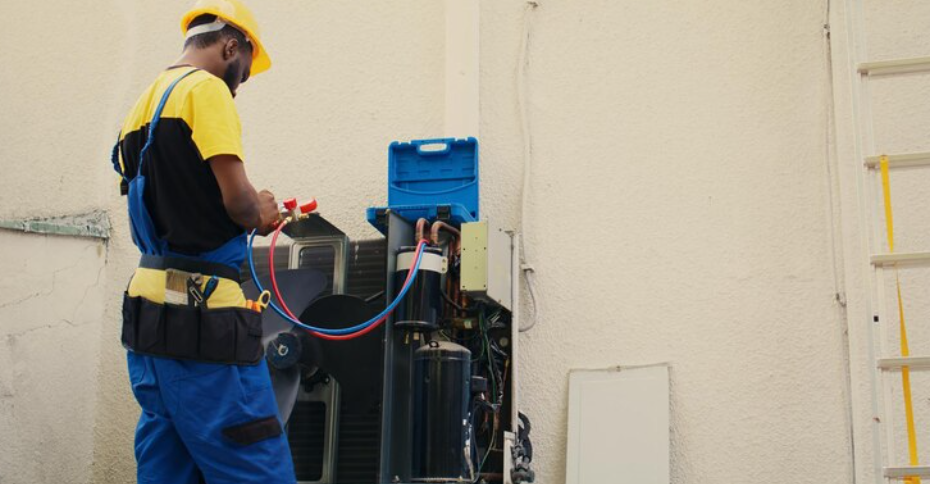
Performance testing is a critical component of any maintenance program. Measuring airflow, temperature differentials, and refrigerant levels helps confirm that the system functions as intended. Small performance variations may indicate developing mechanical issues. Early detection allows corrective action before significant damage occurs.
Optimization also includes adjusting control systems to align with occupancy patterns. Automated systems may require recalibration to maintain accurate responses to environmental changes. Efficient system operation reduces unnecessary energy consumption and extends equipment lifespan. Continuous monitoring supports stable performance throughout the year.
Businesses that invest in performance optimization gain better control over operating expenses. Detailed service records provide valuable insights into system trends. This data supports informed decision making for future upgrades or replacements.
Partnering With HVAC Experts
Implementing effective maintenance strategies requires technical knowledge and experience. Commercial systems differ significantly from residential equipment. Professional providers understand load requirements, zoning configurations, and compliance standards. Working with specialists ensures that maintenance tasks are thorough and properly documented.
A structured maintenance agreement provides scheduled service intervals and priority response when needed. Consistent oversight helps businesses avoid reactive repair scenarios. Skilled technicians identify inefficiencies and recommend improvements that support long term stability. Partnering with experts enhances operational confidence.
Reliable service providers also offer guidance on regulatory compliance and energy efficiency initiatives. This support strengthens long term asset management. Businesses benefit from a comprehensive approach that integrates inspection, testing, and preventive care.
Arminco Air’s Maintenance Approach
Arminco Air supports commercial clients across Virginia, Maryland, and Washington DC with comprehensive HVAC maintenance solutions. Their team focuses on structured service planning and performance optimization. Each maintenance program is tailored to building type and operational requirements.
By maintaining both office and industrial HVAC systems, Arminco Air ensures consistent climate control and system reliability. Detailed inspections and testing procedures support accurate diagnostics. Businesses receive transparent reporting and proactive recommendations to protect equipment longevity.
Through careful planning and consistent service execution, Arminco Air helps organizations reduce downtime and manage operating expenses. Their maintenance approach emphasizes safety, compliance, and efficiency across all commercial environments.
Conclusion
Best practices for commercial HVAC maintenance focus on proactive inspection, system optimization, and professional oversight. Office buildings require consistent comfort and air quality management, while industrial facilities demand more rigorous service schedules. Regular filter replacement, performance testing, and control calibration improve system reliability and efficiency.
Partnering with experienced HVAC professionals ensures that maintenance strategies align with operational needs. Structured service programs reduce breakdown risk and support long term cost control. Schedule a commercial HVAC maintenance consultation with Arminco Air to protect your building’s performance and ensure dependable climate control.
Frequently Asked Questions
1. How often should commercial HVAC systems be serviced?
Most commercial systems should receive service at least twice per year, though industrial facilities may require more frequent inspections.
2. Why is filter replacement important in commercial HVAC systems?
Clean filters improve airflow, enhance indoor air quality, and reduce strain on mechanical components.
3. Do industrial HVAC systems require different maintenance than office systems?
Yes. Industrial systems often operate continuously and require more frequent inspections and performance testing.
4. What happens if commercial HVAC maintenance is delayed?
Delaying maintenance can lead to reduced efficiency, unexpected breakdowns, and higher repair costs.
5. Can preventive maintenance reduce energy costs?
Yes. Proper calibration and performance optimization help systems operate efficiently, lowering overall energy consumption.