

What Is Included in a Commercial HVAC Maintenance Contract?
What is included in a commercial HVAC maintenance contract? A preventive maintenance contract typically covers scheduled inspections, seasonal tune ups, system cleaning, performance testing, and minor adjustments. It also includes documentation, compliance checks, and priority service scheduling. These agreements are designed to reduce breakdown risks and extend equipment lifespan. For multi-tenant buildings in Northern VA, structured maintenance plans protect shared systems and ensure tenant comfort. A well defined contract supports long term building performance and regulatory compliance.
Property managers often combine preventive maintenance with indoor air quality strategies such as a commercial air purification service to maintain consistent airflow and environmental safety. Clean air systems and routine servicing work together to improve operational reliability.
Why Preventive HVAC Maintenance Is Essential for Multi-Tenant Properties
Multi-tenant buildings have complex mechanical demands. Shared rooftop units often serve multiple suites with varying occupancy loads. Temperature fluctuations in one area can impact adjacent spaces. Without consistent servicing, minor mechanical issues can escalate quickly. Preventive maintenance ensures that all zones operate efficiently and evenly.
Key reasons preventive maintenance is essential include:
- Shared system complexity across multiple tenants
- Increased daily runtime of equipment
- Higher airflow balancing requirements
- Greater compliance oversight in Northern VA
- Protection against tenant complaints
Compliance requirements in Northern Virginia also demand routine inspection and documentation. Local regulations emphasize energy efficiency and mechanical safety. Property managers must maintain accurate service records to demonstrate adherence to code standards. Scheduled inspections reduce the risk of regulatory violations. Preventive planning strengthens operational transparency.
Core Components of a Preventive Service Agreement HVAC Plan
A preventive service agreement is structured around seasonal readiness and system health. Multi-tenant buildings require detailed inspection protocols because equipment operates under continuous demand. Maintenance visits are typically scheduled in spring and fall. These visits prepare systems for peak cooling and heating periods. Consistent servicing improves energy efficiency and reduces mechanical strain.
Seasonal Tune Up Checklist
Seasonal tune ups focus on preparing equipment for weather changes. Cooling components are inspected before summer, and heating systems are evaluated before winter. Regular filter replacement protects airflow and indoor air quality. Technicians verify thermostat calibration to ensure temperature accuracy. Minor adjustments during tune ups prevent larger repairs later.
Seasonal service often includes:
- Filter replacement
- Coil cleaning
- Thermostat testing
- Refrigerant level check
- Electrical connection tightening
Building System Inspections
Routine building system inspections assess mechanical and electrical integrity. Electrical connections are checked for wear and overheating. Refrigerant pressure is measured to confirm proper cooling capacity. Airflow testing ensures balanced distribution across tenant spaces. Control systems are inspected to verify automation accuracy.
Inspection tasks commonly include:
- Motor performance review
- Blower and belt inspection
- Air duct evaluation
- Safety control testing
- Drain line cleaning
These evaluations protect the overall system from premature wear.
Mechanical Service in Sterling VA
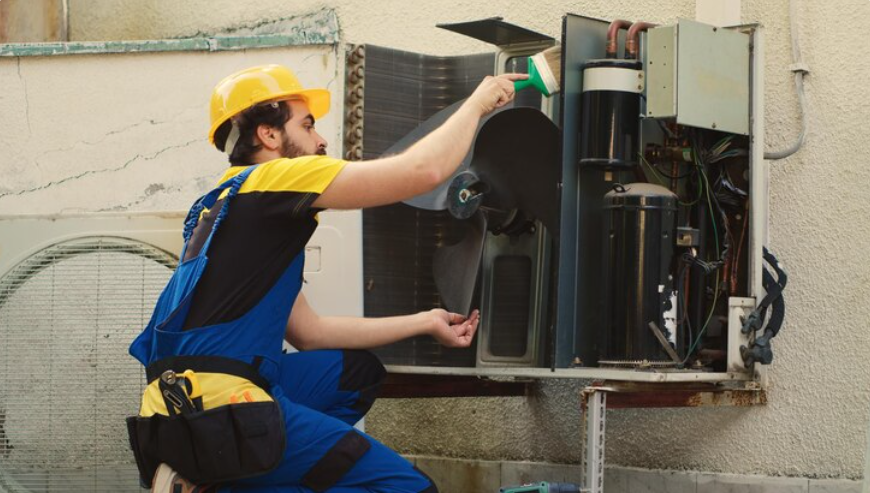
Mechanical service supports the daily operation of commercial systems. Lubrication of moving parts reduces friction and prolongs motor life. Belt inspection prevents slippage and airflow loss. Condenser units are cleaned to maintain heat transfer efficiency. These services are critical for buildings operating year round.
Working with Armincoair AAI ensures access to licensed technicians who understand local compliance standards and system complexity in multi-tenant facilities.
How Maintenance Extends Commercial HVAC Lifespan
Preventive maintenance directly impacts equipment longevity. Compressors and motors experience less stress when filters are clean and airflow remains balanced. Coil cleaning improves heat exchange efficiency and lowers system load. Addressing minor faults early prevents damage to major components. Routine service can add several years to the life of commercial units.
Maintenance extends lifespan by:
- Preventing overheating of motors
- Protecting compressors from pressure imbalance
- Reducing corrosion through cleaning
- Maintaining consistent lubrication
- Identifying worn parts before failure
Emergency breakdowns are often the result of neglected inspections. When systems operate under strain, internal components deteriorate faster. Structured maintenance keeps performance within safe limits. Lower operational stress improves reliability during peak seasons. Long term savings result from disciplined servicing.
Property managers who ignore preventive service may rely heavily on reactive repairs. Over time, this approach increases costs and disrupts tenant satisfaction. Reliable maintenance planning reduces dependence on urgent repair calls. However, if unexpected failures occur, access to responsive hvac emergency service remains important.
Structuring an HVAC Maintenance Plan for HOAs and Property Managers
Maintenance plans must align with building size, occupancy, and budget. Multi-tenant properties require tailored service frequency. Larger buildings may need quarterly inspections, while smaller complexes may operate efficiently with biannual visits. Clear documentation ensures transparency for board members and property stakeholders. Service reporting also supports regulatory compliance.
A structured maintenance plan should include:
- Defined service intervals
- Documented inspection checklists
- Budget forecasting for future replacement
- Performance tracking reports
- Clear communication with tenants
Budget forecasting is a vital component of preventive planning. Property managers should evaluate equipment age and repair frequency. Forecasting replacement timelines prevents sudden financial strain. A proactive approach ensures that capital expenditures are planned rather than reactive.
Tenant coordination is equally important. Maintenance schedules should minimize disruption to occupants. Clear communication regarding service timelines supports positive tenant relationships. Efficient planning reduces complaints and maintains building reputation. Consistent performance fosters occupancy stability.
Choosing the Right Mechanical Service Partner in Northern VA
Selecting a qualified contractor is critical for successful preventive maintenance. Licensing and technical certification ensure adherence to Virginia mechanical codes. Experience with multi-tenant facilities improves diagnostic accuracy. Contractors should provide transparent agreements and detailed reporting. Clear communication builds trust and accountability.
When evaluating a service partner, consider:
- State licensing and insurance coverage
- Experience with commercial rooftop units
- Ability to provide preventive diagnostics
- Transparent maintenance documentation
- Knowledge of Northern VA compliance standards
An experienced partner helps property managers navigate evolving regulations and efficiency standards. Proper oversight reduces liability and supports sustainable building operations. Reliable contractors prioritize preventive care rather than reactive repairs. Professional guidance enhances system reliability.
Final Thoughts: Protecting Long Term Building Performance Through Preventive Maintenance
Preventive HVAC maintenance plans are essential for multi-tenant buildings in Northern VA. Structured service agreements protect shared systems and extend equipment lifespan. Routine inspections improve efficiency, compliance, and tenant comfort. Property managers who invest in preventive care reduce long term repair costs. A disciplined maintenance strategy supports operational stability and regulatory alignment.
To discuss a customized service agreement, you can contact Armincoair AAI for professional consultation and maintenance planning support.