

How Do I Know If My Commercial HVAC System Is About to Fail?
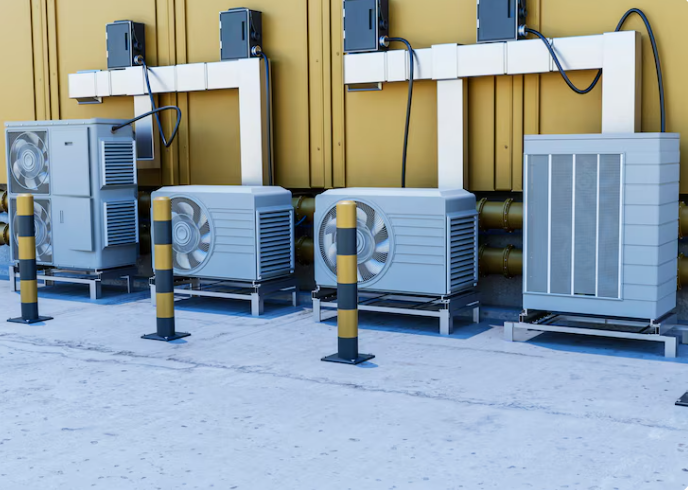
How do I know if my commercial HVAC system is about to fail? Most systems show clear warning signs before a breakdown. These signs include unusual noises, uneven airflow, frequent cycling, and rising energy bills. Performance often declines gradually rather than stopping suddenly. Early detection allows facility managers to prevent downtime and control repair costs. Proactive monitoring protects both equipment lifespan and indoor comfort.
Routine inspections and local hvac maintenance services help identify these early symptoms before they escalate. Preventive diagnostics reduce emergency repairs and extend system efficiency.
Common HVAC Warning Signs Facility Managers Should Never Ignore
Commercial HVAC systems operate under continuous load. Over time, wear and mechanical stress affect performance. Recognizing early warning signs allows facility managers to act before failure occurs. Ignoring these signals increases repair costs and operational disruption. Below are the most common indicators of system decline.
Unusual HVAC Noises
Mechanical systems should operate with minimal sound. New or louder noises usually signal internal wear or component strain. Grinding, rattling, or squealing sounds often indicate motor or belt issues. Delayed repairs may lead to compressor damage or airflow restriction. Noise changes should always trigger professional inspection.
Watch for:
- Grinding or metal friction sounds
- Banging from loose components
- High pitched squealing from belts
- Vibrations near rooftop units
These symptoms require immediate evaluation to prevent major failure.
Uneven Airflow in Office Spaces
Consistent airflow is essential for commercial comfort and efficiency. Weak or uneven airflow often signals duct obstructions or blower issues. Temperature variations across rooms suggest zoning or damper problems. Reduced airflow forces the system to work harder. This strain accelerates component wear and increases energy use.
Common airflow issues include:
- Hot and cold spots in workspaces
- Weak airflow from vents
- Blocked return ducts
- Inconsistent temperature response
Balanced airflow supports optimal system health.
Frequent System Cycling
Short cycling occurs when the system turns on and off repeatedly within a short period. This pattern stresses compressors and electrical components. It may result from thermostat faults, refrigerant imbalance, or airflow restrictions. Frequent cycling reduces energy efficiency and shortens mechanical lifespan. Immediate diagnostics can prevent costly breakdowns.
Short cycling may be caused by:
- Incorrect thermostat calibration
- Refrigerant level imbalance
- Clogged air filters
- Sensor malfunctions
Prompt correction restores operational stability.
Rising Energy Bills Without Increased Usage
Unexpected energy increases often indicate declining system efficiency. Aging components require more power to maintain temperature settings. Reduced airflow and refrigerant issues contribute to higher consumption. Tracking energy patterns helps identify performance changes. Gradual efficiency loss is often a precursor to mechanical failure.
Energy spikes may result from:
- Compressor strain
- Dirty coils
- Duct leakage
- Motor inefficiency
Monitoring utility data supports early intervention.
Performance Decline and Mechanical System Lifespan
Every commercial HVAC system has a defined operational lifespan. Rooftop units often last between 15 and 20 years depending on maintenance quality. Chillers and split systems vary based on usage intensity. As systems age, performance gradually decreases. Facility managers should evaluate repair frequency against replacement cost.
Signs that a system is nearing end of life include:
- Frequent service calls
- Reduced cooling output
- Outdated control components
- Increased downtime
Working with Armincoair AAI ensures access to experienced diagnostics and lifecycle planning support. Professional guidance helps determine whether repair or replacement is the better long term strategy.
The Role of HVAC Diagnostics in Sterling
Professional diagnostics provide a detailed understanding of system health. Technicians assess airflow, refrigerant pressure, electrical connections, and mechanical components. Advanced testing identifies minor issues before they become failures. Diagnostic reports allow facility managers to schedule targeted repairs. Preventive diagnostics improve budgeting accuracy and reduce emergency interruptions.
A comprehensive diagnostic inspection often includes:
- Airflow measurement and balancing
- Electrical system inspection
- Refrigerant pressure testing
- Coil and condenser evaluation
- Thermostat calibration
These evaluations support stable operation and compliance with safety standards.
Preventive diagnostics reduce emergency repairs by identifying stress points early. Scheduled maintenance keeps mechanical components operating within safe limits. Addressing minor faults protects compressors and motors from overload. Proactive monitoring also improves energy efficiency. Long term reliability depends on consistent inspection routines.
Commercial AC Troubleshooting vs Professional Repair
Facility managers can monitor certain performance indicators internally. Visual inspections and thermostat checks help identify minor issues. Replacing clogged filters improves airflow and reduces strain. However, complex mechanical problems require licensed professionals. Attempting internal repairs may void warranties or cause further damage.
Facility managers can monitor:
- Thermostat accuracy
- Air filter condition
- Visible airflow consistency
- Temperature fluctuations
When issues persist, professional repair becomes necessary. Partnering with a trusted provider of commercial hvac services ensures safe and compliant repair procedures.
Call a contractor when:
- System faults repeat frequently
- Cooling capacity drops during peak demand
- Noise levels increase suddenly
- Electrical breakers trip repeatedly
Timely intervention prevents extended downtime.
Building a Preventive HVAC Monitoring Strategy
A preventive strategy protects commercial operations from unexpected breakdowns. Scheduled maintenance visits allow technicians to inspect and tune system components. Tracking performance data reveals gradual efficiency changes. Budget planning should include lifecycle replacement projections. Clear communication between facility managers and contractors strengthens oversight.
An effective monitoring strategy includes:
- Quarterly or biannual inspections
- Energy consumption tracking
- Performance reporting
- Maintenance documentation
- Replacement budgeting
Structured planning supports operational stability and financial predictability.
Preventive monitoring also enhances indoor air quality and occupant comfort. Clean coils and calibrated controls ensure proper airflow and temperature consistency. Regular servicing reduces the risk of sudden system failure. Long term equipment health depends on disciplined oversight. Early detection always costs less than emergency replacement.
Final Thoughts: Detect Problems Before a Costly Breakdown
Commercial HVAC systems rarely fail without warning. Warning signs such as unusual noises, uneven airflow, and rising energy use signal performance decline. Facility managers who monitor these indicators can prevent costly downtime. Preventive diagnostics strengthen operational reliability and extend equipment lifespan. Professional oversight ensures compliance with safety and efficiency standards.
If your system shows signs of strain, you should contact Armincoair AAI for a professional evaluation and repair assessment.
Conclusion
Early detection is the most effective way to prevent commercial HVAC breakdowns. Recognizing warning signs allows facility managers to act before performance failure occurs. Preventive diagnostics protect equipment lifespan and reduce financial risk. Consistent monitoring ensures safe, efficient operation. A proactive repair strategy supports long term building performance and operational continuity.