

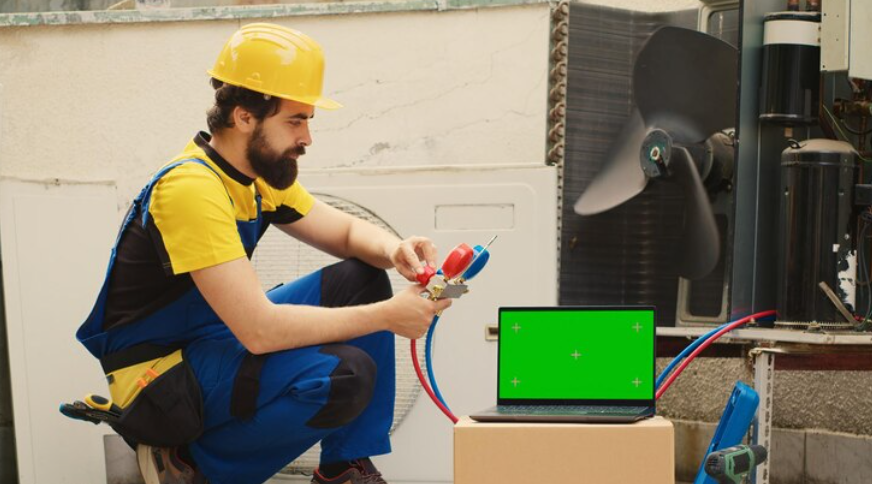
Critical IT environments depend on reliable cooling systems to maintain safe operating conditions. Server rooms and data centers generate continuous heat from running equipment. Without regular maintenance, cooling systems may lose efficiency and increase the risk of overheating. Businesses in Sterling, VA rely on well maintained HVAC systems to ensure their technology infrastructure operates smoothly.
IT cooling units are designed to maintain precise temperature and humidity levels. These conditions are essential for protecting servers, storage devices, and networking equipment. Even a small cooling failure can lead to downtime, equipment damage, or data loss. A structured maintenance schedule helps prevent these risks.
Many organizations combine proactive inspections with professional Sterling HVAC Maintenance services to keep their systems running efficiently. Regular servicing allows technicians to identify potential problems before they turn into costly repairs.
By following a consistent maintenance routine, businesses can maintain stable cooling performance throughout the year. This approach protects critical infrastructure while reducing long term operational costs.
Why Regular Maintenance of IT Cooling Units Matters for Sterling Businesses
IT cooling systems operate continuously in data centers and server environments. Because these systems work around the clock, they are exposed to constant wear and environmental stress. Businesses in Sterling must manage seasonal temperature changes, humidity levels, and heavy equipment loads that can strain cooling equipment.
Northern Virginia experiences humid summers and cold winters. These climate conditions place additional pressure on HVAC components and cooling systems. Without regular inspections, filters may clog, refrigerant levels may drop, and airflow may become restricted. Over time, these issues reduce cooling efficiency and increase the risk of equipment failure.
Routine maintenance ensures that all parts of the cooling system operate correctly. Technicians inspect components, clean internal parts, and verify that airflow remains balanced across the facility. When systems operate efficiently, businesses experience fewer disruptions and lower energy consumption.
Many organizations integrate cooling equipment with building controls services to monitor system performance in real time. These controls allow facility managers to track temperature levels, energy usage, and system alerts from a centralized platform.
Regular maintenance also helps businesses meet regional energy regulations and operational standards. Compliance with these requirements ensures facilities remain safe, efficient, and ready for future inspections.
Recommended Maintenance Schedule for IT Cooling Units
To maintain peak performance, IT cooling systems require regular inspections and servicing throughout the year. Each stage of maintenance focuses on different components to ensure the system continues operating efficiently. Following a structured maintenance schedule helps prevent unexpected failures and costly downtime.
Organizations that rely on mission critical equipment often combine these routine checks with professional commercial HVAC solutions to ensure their cooling infrastructure meets the demands of modern data environments.
Monthly Checks
- Inspect air filters and replace them if they are clogged
- Check refrigerant levels to ensure proper cooling performance
- Verify thermostat readings and temperature sensors
- Remove debris from outdoor units or ventilation openings
Monthly inspections are quick but important tasks that help detect early warning signs. Identifying minor issues early prevents them from turning into larger mechanical problems later.
Quarterly Maintenance
- Clean condenser and evaporator coils to improve heat transfer
- Lubricate moving components such as motors and fan assemblies
- Inspect electrical connections and wiring for wear or corrosion
- Test system safety controls and shutdown features
Quarterly maintenance focuses on deeper cleaning and inspection of system components. This ensures that the cooling unit operates efficiently while reducing mechanical strain on internal parts.
Biannual Service
- Conduct detailed system diagnostics and performance checks
- Recalibrate sensors and controls to maintain accurate readings
- Inspect ductwork and verify balanced airflow distribution
- Confirm compliance with local energy efficiency standards
Biannual servicing ensures the system continues performing efficiently during seasonal temperature changes. This is especially important in regions like Sterling where climate conditions vary significantly throughout the year.
Annual Comprehensive Inspection
- Perform a full system performance evaluation
- Conduct professional refrigerant leak detection and repairs
- Inspect insulation, vibration dampening, and mechanical supports
- Update building control firmware or system software if required
An annual inspection is the most detailed evaluation of the cooling system. Technicians review the overall system performance and identify any long term improvements needed to maintain efficiency and reliability.
Many organizations also coordinate these inspections with professional Sterling HVAC Installation upgrades if aging equipment needs replacement or modernization.
Tips for Choosing a Maintenance Partner in Northern Virginia
Selecting the right HVAC service provider is essential for maintaining reliable cooling performance. Not all contractors specialize in commercial or industrial cooling environments, so businesses should evaluate potential partners carefully.
A qualified maintenance partner will understand the complex requirements of IT cooling systems and data center environments. They will also be familiar with regional energy codes and operational standards that apply to facilities in Northern Virginia.
What to Look for in a Maintenance Provider
- Experience with commercial and industrial HVAC systems
- Knowledge of regional energy regulations and building standards
- Availability of emergency support services when needed
- Customized maintenance plans based on facility requirements
- Technicians trained to service advanced cooling technologies
At Arminco Air, our team provides tailored service agreements designed specifically for IT cooling environments. Our experience with commercial HVAC systems allows us to deliver maintenance programs that protect both equipment and operational uptime.
Conclusion
IT cooling systems play a critical role in maintaining safe operating conditions for server rooms and data centers. Without regular maintenance, cooling equipment may lose efficiency and increase the risk of costly downtime. Businesses in Sterling depend on reliable HVAC systems to protect their technology infrastructure and maintain consistent performance.
Following a structured maintenance schedule ensures that cooling systems remain efficient throughout the year. Routine inspections, cleaning, and system diagnostics help prevent mechanical failures while improving overall energy efficiency. Organizations that invest in proactive maintenance often experience fewer disruptions and longer equipment lifespan.
Partnering with experienced HVAC professionals ensures that cooling systems receive the care and attention required for high performance environments. With the right maintenance strategy in place, businesses can protect their critical equipment while maintaining reliable operations. Ensure your cooling infrastructure remains reliable and efficient with professional HVAC support from Arminco Air.
Service Areas
Sterling | Ashburn | Leesburg | Reston | Herndon | Fairfax | Alexandria | Arlington | Washington DC | Baltimore
Frequently Asked Questions
How often should refrigerant levels be checked in IT cooling units?
Refrigerant levels should be inspected during monthly maintenance checks. Low refrigerant levels can reduce cooling efficiency and may indicate a leak. Early detection allows technicians to correct the issue before it affects system performance.
What signs indicate that an IT cooling unit needs immediate maintenance?
Warning signs may include unusual noises, fluctuating room temperatures, increased energy bills, or system alerts from monitoring equipment. If these symptoms appear, professional service should be scheduled as soon as possible.
Can regular maintenance reduce energy costs for cooling systems?
Yes. Regular maintenance improves system efficiency by keeping components clean and properly calibrated. Efficient systems consume less electricity, which helps reduce long term operating costs.
Does the Sterling climate affect maintenance schedules?
Yes. The region’s hot summers and humidity levels require more frequent inspections and cleaning compared to milder climates. Regular servicing ensures cooling systems continue performing effectively throughout seasonal changes.