

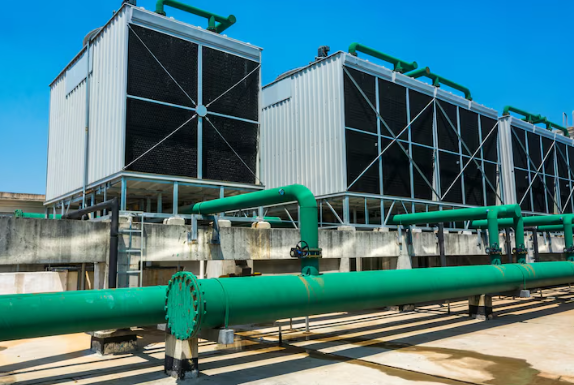
Energy efficiency is a top priority for commercial developers and facility managers. Smart building controls are transforming how HVAC systems are managed, offering automation, real-time monitoring, and improved energy management. Investing in building automation HVAC systems allows commercial buildings to operate efficiently while reducing costs and environmental impact. In 2026, smart HVAC solutions are essential for optimizing comfort, minimizing energy waste, and maintaining healthy indoor environments.
Understanding Smart Building Controls
What Are Smart Building Controls?
Smart building controls are automated systems that manage HVAC operations using sensors, IoT devices, and software platforms. These systems collect data on temperature, humidity, occupancy, and air quality to adjust heating, cooling, and ventilation in real-time. By integrating multiple components, smart controls provide a centralized and efficient approach to building management.
Key Components of Smart HVAC Systems
Modern smart HVAC systems include several essential components:
- Smart thermostats for precise temperature control
- IoT HVAC devices for monitoring and automation
- Building Management Systems (BMS) for centralized control
- Sensors for detecting occupancy, air quality, and environmental changes
These components work together to maintain optimal indoor conditions while reducing energy consumption and operational costs.
Benefits of Smart Controls for Commercial Developers
Smart building controls offer several advantages for commercial properties:
- Enhanced energy efficiency and reduced utility costs
- Improved occupant comfort and satisfaction
- Predictive maintenance to prevent system failures
- Support for green building certifications and sustainability initiatives
These benefits make smart HVAC systems an attractive investment for any commercial building project.
How Smart HVAC Systems Work?
- IoT Integration for HVAC Optimization
IoT devices play a critical role in optimizing HVAC operations. Sensors monitor temperature, humidity, and airflow in real-time. This data is analyzed to make automated adjustments, ensuring the building operates at peak efficiency. IoT integration also provides predictive analytics, which helps anticipate maintenance needs and prevent costly downtime.
- Remote HVAC Control
Remote control features allow facility managers to manage HVAC systems from any location using mobile apps or web platforms. Adjusting temperature, airflow, and ventilation remotely ensures consistent comfort across all areas of a building. Real-time control helps reduce energy waste by adapting operations to occupancy and environmental conditions.
- BMS Systems for Centralized Management
A Building Management System (BMS) integrates all smart HVAC controls into a single interface. Facility managers can monitor performance, receive alerts for potential issues, and make adjustments instantly. Centralized management also enables comprehensive reporting on energy usage, system efficiency, and maintenance requirements.
- HVAC Optimization
Implementing HVAC optimization ensures that systems operate efficiently at all times. Optimization strategies include scheduling operations based on occupancy, monitoring energy consumption, and using automated adjustments to reduce energy waste. Efficient HVAC management extends equipment lifespan and lowers operational costs.
Energy Efficiency and Cost Savings
- Reducing Energy Consumption
Smart building controls adjust HVAC operations based on real-time needs, minimizing energy waste. Systems operate only when necessary, and automated scheduling prevents unnecessary heating or cooling. This approach significantly reduces energy consumption and lowers utility bills.
- Long-Term Cost Benefits
Investing in smart HVAC systems yields long-term financial advantages. Optimized systems require less maintenance, experience fewer breakdowns, and reduce the need for emergency repairs. Energy savings accumulate over time, providing a measurable return on investment for building owners and managers.
- Sustainability Advantages
Smart controls also support environmental sustainability. By reducing energy consumption, buildings decrease their carbon footprint and contribute to broader sustainability goals. Efficient energy use aligns with green building standards and enhances the building’s market value.
Integration with Air Quality Systems
Indoor air quality is a key aspect of commercial building management. Integrating smart HVAC systems with commercial air purification service ensures that occupants breathe cleaner, healthier air. Air purification solutions remove dust, allergens, and airborne contaminants while smart HVAC systems maintain proper ventilation. Together, these systems provide a comprehensive approach to creating a safe and comfortable indoor environment.
Choosing the Right Smart HVAC System
Selecting the right system depends on several factors:
- Building size and design
- Existing HVAC infrastructure
- Energy efficiency goals
- Budget and expected return on investment
- Compatibility with IoT devices and BMS platforms
Professional consultation ensures that the system is correctly sized, installed, and optimized. Integrating smart controls with other HVAC and air quality solutions provides maximum efficiency and long-term reliability.
Tips for Maintaining Smart HVAC Systems
Proper maintenance ensures optimal performance and extends the lifespan of smart HVAC systems. Recommended practices include:
- Regular software and firmware updates for all devices
- Routine inspections of sensors, thermostats, and control systems
- Continuous monitoring of system performance and energy usage
- Staff training for facility managers to manage operations effectively
- Scheduling periodic professional maintenance and cleaning
These measures ensure that smart building controls operate efficiently and continue delivering energy savings and improved indoor comfort.
Conclusion
Smart building controls are revolutionizing HVAC management for commercial properties. Investing in building automation HVAC systems, implementing HVAC optimization strategies, and integrating commercial air purification service solutions provide a comprehensive, energy-efficient approach to building management. These systems reduce energy consumption, lower costs, and enhance occupant comfort. For professional guidance, installation, and support, it is recommended to contact Armincoair AAI for customized solutions.