

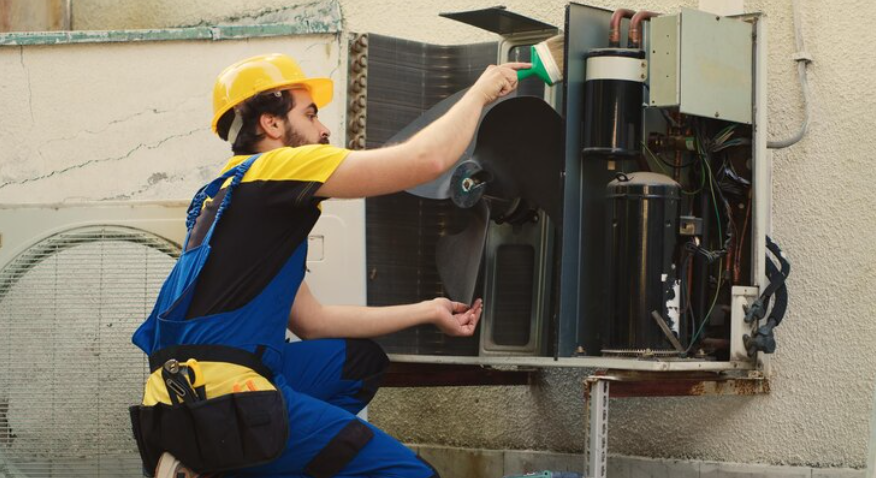
Replacing a commercial air conditioning system is a major financial decision for any business. Cooling systems directly impact indoor comfort, employee productivity, and operational stability. Planning ahead helps businesses avoid sudden capital expenses and unexpected downtime. Understanding cost drivers allows building owners to prepare realistic budgets and make informed decisions. Professional HVAC Installation & Replacement services ensure the project is handled efficiently from start to finish.
Commercial AC replacement costs vary depending on system complexity and building requirements. A well planned upgrade can improve energy efficiency and reduce long term operating expenses. This guide explains what influences replacement costs, when to consider upgrading, and how businesses can prepare financially.
What Impacts Commercial AC Replacement Cost
Several factors determine the overall cost of replacing a commercial AC system. System size and cooling capacity are often the most significant variables. Larger buildings require higher tonnage equipment, which increases equipment and installation expenses. Building layout also affects ductwork modifications and zoning requirements. Energy efficiency standards and compliance regulations may influence equipment selection as well.
Key cost factors include:
- System size and cooling capacity
- Building layout and duct configuration
- Energy efficiency requirements
- Installation complexity and structural modifications
- Local code compliance and permitting
Installation complexity can significantly affect labor costs. Rooftop units, centralized chillers, and multi zone systems each require different installation approaches. Upgrading controls or automation systems may add to the project scope. Businesses should evaluate both upfront and long term financial implications before selecting equipment.
Equipment Size and Capacity Considerations
Proper system sizing is critical when planning a replacement project. Oversized systems may cycle frequently, which reduces efficiency and increases wear. Undersized systems struggle to maintain consistent cooling and may shorten equipment lifespan. Accurate load calculations ensure the new system aligns with the building’s cooling demand.
Capacity requirements depend on square footage, occupancy levels, and internal heat loads. Modern energy efficient systems often provide improved performance compared to older units. While higher efficiency equipment may require a larger initial investment, it often reduces monthly operating costs. Careful evaluation prevents unnecessary overspending on capacity that exceeds operational needs.
Energy Efficiency and Long Term Savings
Energy efficiency plays a central role in commercial AC replacement decisions. Newer systems are designed to meet stricter efficiency standards and consume less electricity. High efficiency compressors, variable speed fans, and advanced controls help regulate cooling output more precisely. These features reduce energy waste and improve cost predictability.
Investing in efficient equipment can stabilize long term operating expenses. Over time, lower utility bills may offset the higher purchase price of advanced systems. Businesses should evaluate lifecycle costs rather than focusing solely on initial replacement expenses. Professional consultation ensures efficiency improvements align with operational goals.
For businesses planning a commercial AC replacement, understanding efficiency ratings and performance metrics is essential. Selecting equipment that balances cost and performance supports financial stability and comfort.
Signs It Is Time to Replace a Commercial AC System
Recognizing early warning signs can prevent emergency failures and unplanned downtime. While repairs may address minor issues, aging systems eventually become less reliable. Rising operational costs often indicate declining performance. Proactive replacement planning reduces the risk of sudden breakdowns.
Common indicators that replacement may be necessary include:
- Frequent and costly repairs
- Rising energy bills without increased usage
- Inconsistent cooling performance
- Outdated equipment no longer meeting efficiency standards
- Difficulty sourcing replacement parts
Older systems may also struggle to maintain proper airflow and humidity control. As components wear out, performance gradually declines. Delaying replacement can increase total ownership costs through repeated repair expenses. Strategic upgrades allow businesses to regain control over comfort and efficiency.
Planning a Commercial AC Replacement Project
Effective planning minimizes disruption and helps control expenses. Businesses should begin by evaluating current system performance and maintenance history. A comprehensive assessment identifies inefficiencies and potential structural challenges. Early planning allows time for budgeting and scheduling installation during low occupancy periods.
Project planning typically involves:
- Detailed system inspection and load calculations
- Budget development and cost forecasting
- Equipment selection and efficiency evaluation
- Installation scheduling to minimize operational disruption
- Post installation performance testing
Working with experienced professionals ensures each phase of the project is properly managed. Coordination between facility managers and HVAC specialists helps avoid delays. Clear communication about project scope prevents unexpected cost increases.
The Importance of Working With an Experienced HVAC Partner
Selecting the right HVAC partner directly impacts replacement success. Commercial systems require specialized expertise that differs from residential installations. An experienced provider conducts accurate assessments and recommends solutions tailored to the building’s needs. Transparent cost estimates help businesses make informed decisions.
The team behind Armincoair AAI brings technical experience and long term HVAC planning expertise to every project. Careful project management ensures installation meets performance expectations and regulatory standards. Businesses benefit from structured planning that supports future expansion and upgrades.
Professional oversight reduces risk and ensures compliance with local building codes. From system removal to final commissioning, expert guidance protects investment value. Long term service support also helps maintain system reliability after installation.
Budgeting for Commercial AC Replacement
Budget planning should account for both direct and indirect costs. Equipment pricing, labor, and permitting represent the primary direct expenses. However, businesses should also consider potential operational downtime and future maintenance needs. Factoring these elements into the budget improves financial preparedness.
Financing options may be available to distribute costs over time. Evaluating total cost of ownership rather than focusing only on upfront expenses provides a clearer financial picture. Businesses that plan proactively avoid emergency replacement scenarios that often increase costs.
A structured replacement plan supports stable operations and predictable budgeting. By addressing aging systems before failure occurs, businesses maintain comfort and avoid disruption. Strategic planning protects long term profitability.
Commercial AC Replacement With Arminco Air
Arminco Air supports businesses across Virginia, Maryland, and Washington DC with professional AC replacement services. Their team evaluates system performance, building requirements, and energy goals before recommending solutions. Careful planning ensures smooth transitions from old equipment to new installations.
Businesses benefit from technical expertise, transparent cost estimates, and coordinated project execution. Replacement projects are structured to reduce downtime and maintain operational continuity. With strong regional experience, Arminco Air delivers dependable performance throughout the system lifecycle.
Conclusion
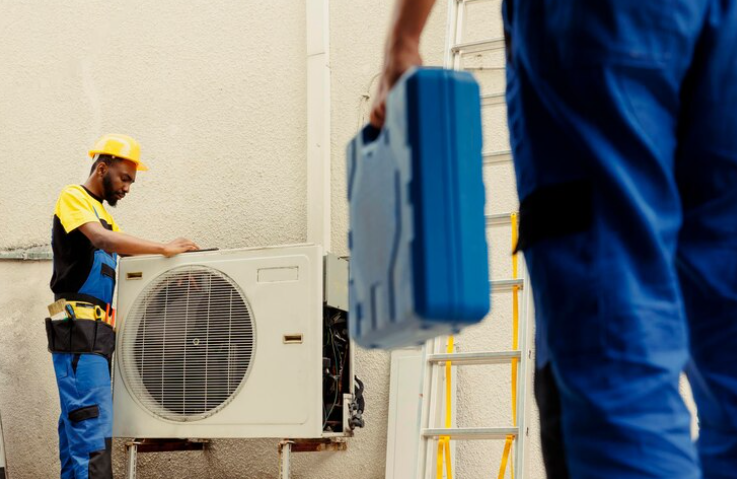
Commercial AC replacement requires careful budgeting, technical evaluation, and strategic planning. System size, efficiency requirements, installation complexity, and building layout all influence total project cost. Recognizing early warning signs allows businesses to plan upgrades before failures occur. Investing in energy efficient equipment improves comfort and reduces long term operating expenses.
Working with experienced HVAC professionals ensures accurate system sizing and seamless installation. Proactive replacement planning protects operational stability and financial predictability. Contact Arminco Air for a replacement consultation and begin planning your next upgrade with confidence.